





Almost 47 million adults over 65 live in the U.S. Elderly respect is a big issue worldwide. In the U.S., 80% of adults over 50 face age discrimination every day. But in Taiwan, elders are seen more positively, a 2017 study found.
Age veneration isn’t the same everywhere. A study with 3,435 students from 26 cultures showed most see aging as negative. Only Mainland China, India, and New Zealand view aging as neutral or positive.
Honoring older generations is more than just tradition. It shows the heart of a society. While many see aging as a decline, others see it as gaining wisdom and respect.
By 2060, the number of U.S. elders could triple. This makes the topic very important. This article looks at how societies balance youth trends with valuing elders. It shows lessons from cultures that honor elders’ roles in families and communities.
Understanding the Role of Elders in Society
In cultures around the world, older adults are seen as elder wisdom keepers. They hold traditional elder roles. Societies that value them see aging as a path to respect, not decline.
In Sardinia, Italy, centenarians are celebrated for their long lives and contributions to the community. Their age-based authority strengthens family bonds. This is linked to better health, thanks to the “Grandmother Effect.”
Japan values family care for the elderly, with laws like those from 2013. Elders find purpose in life, even after retirement, through ikigai. In Indigenous Australian communities, Elders are cultural treasures, guiding land use and conflict resolution.
Older adults contribute disproportionately to societal stability when their knowledge is actively sought and valued.
Studies show elders play key roles in societies, from rural Himalayan villages to West African clans. They mediate disputes and preserve traditions. Their status comes from age and skill mastery, like storytelling or medicine.
In tight-knit communities, elders guide younger generations. They help avoid past mistakes. As the world ages, valuing elder wisdom becomes critical. Their role as societal knowledge keepers is vital for resilience in all situations.
The Impact of Aging on Family Dynamics
In many cultures, family elder care is key to family life. In Japan, over half of aging parents live with their children—58%. This is much higher than in the U.S., where only 17% do. This shows how culture shapes grandparent roles and where they live.
A 2007 study found 92% of Japanese elders live with family. In contrast, only 10% of older Americans do. This reflects a strong tradition of filial piety, where caring for aging parents is seen as a sacred duty.

In India, urbanization is changing family structures. Grandparents often move to cities to help with childcare. This helps keep cultural values alive.
In South Korea, the elderly are facing loneliness as young adults move to cities. Yet, 87% of U.S. MIDUS study participants feel they must support their aging parents, even from a distance.
Modern challenges like isolation in rural areas remain. But, home care services and senior clubs are helping. From Tokyo to New Delhi, finding a balance between respecting elders and modern life is a common challenge. Yet, multigenerational living traditions offer important emotional and practical support.
Elders in Indigenous Cultures
Elders in Indigenous Cultures are keepers of indigenous elder wisdom. They guide community decisions, spiritual practices, and understanding of nature. Elders teach native traditions and save endangered languages, helping cultures survive in a changing world.
In daily life, elders show respect through ceremonies like naming rituals and seasonal gatherings. They use sacred plants like tobacco, sage, and cedar for smudges. These smudges purify spaces and minds.
A child’s birth is celebrated with a naming ceremony led by elders. This ceremony links the child’s spirit to ancestral teachings.
Even after colonization, many communities are bringing back elder-led education. Schools invite elders to teach languages, medicines, and how to live sustainably. This helps keep ecological knowledge alive, which modern societies value more and more.
Elders’ insights on living in harmony with nature are lessons for today’s climate challenges.
Respecting elders strengthens cultural identity. Their wisdom, shared through stories and rituals, keeps traditions alive. As one elder said, “We are the living libraries of our people’s past and future.”
A Comparative Look at Eastern Cultures
In many Eastern cultures, showing respect to elders is a big part of daily life. This respect is based on traditions that value experience and wisdom. In Japan, for example, respect for elders is key to its long life expectancy.
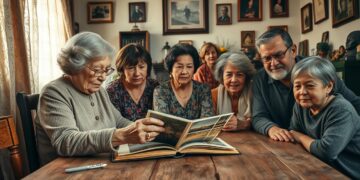
Many families live together, creating strong bonds. These bonds are built on care and shared responsibilities. An image showing families together can remind us of these values: 
Korea celebrates big birthdays like the 60th and 70th, seeing them as victories over death. China has laws that make sure elders are cared for, following Confucian teachings. In India, elders often make important family decisions, showing the Asian family hierarchy.
In the Philippines, showing respect to elders is very important. For example, placing a parent’s hand on a child’s forehead is a sign of deep respect.
Even with modern challenges, these cultures keep their values alive. They focus on keeping family bonds strong, benefiting all ages. Respect is not just a tradition; it’s a living part of their daily lives.
Elders in Western Cultures
Western elder treatment has changed a lot over time. In the past, elders were respected leaders in their communities. Now, retirement often means a focus on leisure, not leadership. This shift has made many older adults feel disconnected from their families.
Nuclear families, with just a few members, can leave elders feeling isolated. In fact, 79% of Americans see big gaps between generations. This isolation is a big problem.
Today, we struggle to find the right balance between giving elders freedom and keeping them connected. Senior independence is valued, but it can lead to loneliness. In the U.S., most elders live alone, unlike in some Mediterranean countries.
Retirement villages are popular, but they can’t solve the problem of loneliness. The 2003 French heatwave showed how serious this issue is. It led to 15,000 elderly deaths, showing neglect in our society.
The media often portrays aging as a decline, but there are efforts to change this. The “Age-Friendly Cities” initiative aims to include elders more. Laws like Social Security help, but our culture’s focus on youth is a big challenge.
Elders and Community Leadership
Community elders are key in making decisions for villages, towns, and nations. They mix old traditions with new challenges. This way, their long experience guides progress.
In places like the Haudenosaunee and Anishinaabe nations, elders form councils. They discuss important issues like governance and keeping cultural traditions alive. Their advice helps balance new ideas with respect for the past.
Studies show elders contribute a lot to wellness, with 72.2% of the impact coming from their guidance. In Africa, 70% use stories to teach morals, and 85% of young people say they solve problems better with elder help. This is similar to a global study where 65% of students in programs with elders feel more confident in leadership.
Elders’ stories, like the proverb *“The child not embraced by the village will burn it down to feel warmth,”* show their importance. They help create a sense of belonging.
“Elders are living archives,” says Dr. Lila Thompson, a cultural anthropologist. “Their insights help communities avoid repeating past mistakes while adapting to new realities.”
Programs like Queen’s University’s Indigenous advisor programs show elders’ value in education. They increase youth involvement by 50% and encourage teamwork. By listening to these senior advisors, we make sure our decisions are wise and forward-thinking. Their teachings on leadership and ethics are essential for strong communities everywhere.
Technological Influence on Elderly Roles
Technology changes how older adults connect with the world. A global study showed 87% of people noticed big differences in tech use between ages. This highlights the technology generation gap.
For elder digital inclusion, things like education and where you live matter. In China, city seniors use apps more than those in rural areas. In the U.S., more educated people use health tech.
Now, over 264 million Chinese seniors live in a world where 80% of younger adults text every day. Yet, only 21% of older Americans use fitness trackers.
Health tech brings hope. In a U.S. study, 64% of seniors used telehealth for medical care. They found it very helpful for chronic conditions.
But, challenges remain. 90% of seniors don’t use online learning tools, and 74% avoid online shopping. AARP’s tablet workshops show progress in elder technology adaptation.
Seniors who learn video calls can stay in touch with family. But, others find apps made for younger people hard to use.
For elder digital inclusion to work, we need solutions made just for seniors. Apple’s Health app helped 46% of seniors track their meds. In Chicago, community centers teach Medicare recipients to use devices that detect falls.
Breaking down barriers starts with making tools easy to use and teaching across generations. Technology isn’t replacing wisdom—it’s a way to share it more widely.
Elders and Health Care Systems
Elder healthcare models vary across the globe, showing different cultural values. In the U.S., modern systems like senior living communities offer both medical care and social support. This ensures that older adults are treated with dignity. Yet, there are disparities: African Americans and Hispanics have higher rates of Alzheimer’s, and non-Hispanic Black men face worse prostate cancer outcomes. These gaps show the challenges in getting older adults the care they need.

Traditional elder medicine also plays a big role. Many older Chinese patients use acupuncture and herbal remedies alongside Western treatments. They believe in finding balance in qi and yin-yang. Hindu elders might see illnesses as karmic consequences, affecting how they follow treatment plans. Healthcare providers are learning to respect these beliefs, building trust.
Communication is key to elder health dignity. Arab families often make decisions together, while Vietnamese elders fear hospital deaths due to spiritual beliefs. Policies like federal translation mandates help bridge language gaps. But ageism is a big obstacle. Studies link ageist attitudes to poorer health outcomes, showing the need for care that respects and values older adults.
New systems are blending tradition with modern care. Filipino elders use both Western medicine and folk practices. Korean elderly might prefer hanbang therapies. It’s important to understand these practices to ensure older adults receive care that respects their culture and provides equal access to geriatric care.
The Role of Elders in Education
Elders play a big role in education, mixing old traditions with new ideas. In Indigenous communities, they share important knowledge like how to live with nature, language, and culture. Almost all Indigenous communities focus on teaching young people about their heritage (Dei, 2002).
Modern schools are starting to include elders in their lessons. In Canada, most Indigenous people believe elders are key to learning (Wildcat et al., 2014.). When elders work with students, 75% of Indigenous students say they learn more (Snively & Williams, 2016.). This way, elders teach traditions and students share new tech skills.
Even in big cities, 85% of people see elders as the main teachers (Stieglbauer, 1996.). Programs that mix elders and students are growing, with 65% of Indigenous programs now including elders (Battiste, 2011.). But, finding the right mix of old and new teaching methods is hard.
Having elders in schools helps keep cultural identity strong. Over 80% of teachers think elder-led lessons make learning more meaningful (Kanu, 2011.). Elders also help keep languages alive, with 90% of them saying this is their role (Ermine, 1995.).
As education changes, so do the roles of elders. They help with everything from apprenticeships to tech workshops. The goal is to keep this flow of knowledge going between generations.
Intergenerational Relationships
Strong cross-generational bonds between elders and younger generations create bridges of understanding. Recent studies show generational conflicts have dropped sharply—only 26% of Americans now report strong divisions, down from 42% in 1992. This shift reflects growing appreciation for mutual learning opportunities.
Programs like intergenerational programs in schools and communities connect older adults with youth through mentorship and shared activities. These programs help teens gain life wisdom while elders stay engaged, fostering elder-youth relationships that enrich both sides.

In India, joint family systems naturally build these ties. Grandparents often live with extended families, providing childcare support and cultural knowledge. Research shows this setup reduces loneliness for seniors while giving children a sense of belonging.
Indigenous communities in Quebec’s band councils use elders to teach youth traditional practices. A 2020 study involving eight Aboriginal nations highlighted how elders’ involvement strengthens community resilience through storytelling and land-based learning.
Modern challenges like urbanization and remote work can strain these connections. Yet, innovative solutions like grandparent mentorship apps and community service projects help bridge gaps. Schools partnering with nursing homes for reading programs or technology workshops show how age-diverse connections thrive outside traditional family structures.
Such efforts combat isolation and prove collaboration across ages builds stronger, more compassionate societies.
Challenges Faced by Elders in Modern Society
Elder social challenges grow as societies adapt slowly to an aging population. Longer lifespans clash with systems unprepared for sustained care. Over 60% of seniors want to work past 65, yet only 20% find jobs, highlighting senior discrimination in hiring. Financial struggles affect 40% of older adults, with fixed incomes failing to match rising costs.
Digital barriers compound modern elder difficulties. Half of seniors struggle online, making them easy targets for fraud. Mobility issues affect 30%, limiting independence. Caregivers, often balancing work and family, report overwhelm in 70% of cases. Health care navigation challenges leave many juggling multiple providers.
“Media perpetuates stereotypes that dismiss older adults, isolating them from society,” notes a cultural study. Ageism in media fuels exclusion, sidelining their wisdom.
Economic gaps persist: 14% of seniors live near poverty, and WWII veterans face higher suicide risks. Yet programs like Honor Flight Network honor their contributions. Addressing these barriers requires rethinking policies and valuing lifelong experience.
Celebrating Elders: Festivals and Observances
Elder celebration traditions around the world show how cultures honor longevity. Japan’s Respect for the Aged Day (Keiro no Hi) is a great example. In 2022, over 90,000 centenarians were celebrated. This shows Japan’s deep respect for elders, with 30% of the population over 65.
Festivals like these highlight decades of wisdom and resilience. They connect the past and present. Age milestone celebrations in Korea are also vibrant, with family feasts for 60th and 70th birthdays. These events, like the hwangap, celebrate resilience through decades of service.
In Japan, centenarians in places like Tobishima receive 1 million yen awards. These awards turn personal milestones into community events. Such customs keep families and communities connected.
The UN’s International Day of Older Persons on October 1 promotes these values. Japan’s life expectancy of 85 years is among the highest globally. By 2055, the elderly could make up 40% of Japan’s population. Programs like the Decade of Healthy Ageing (2021–2030) aim to keep these traditions alive.
Elder recognition events are more than just parties. They are bridges connecting generations. As older adults outnumber youth by 2030, these celebrations ensure their stories and knowledge are shared. From Kagoshima’s certificates to global awareness days, these practices remind us that honoring elders strengthens communities. Their legacy lives on through traditions that value every stage of life.