







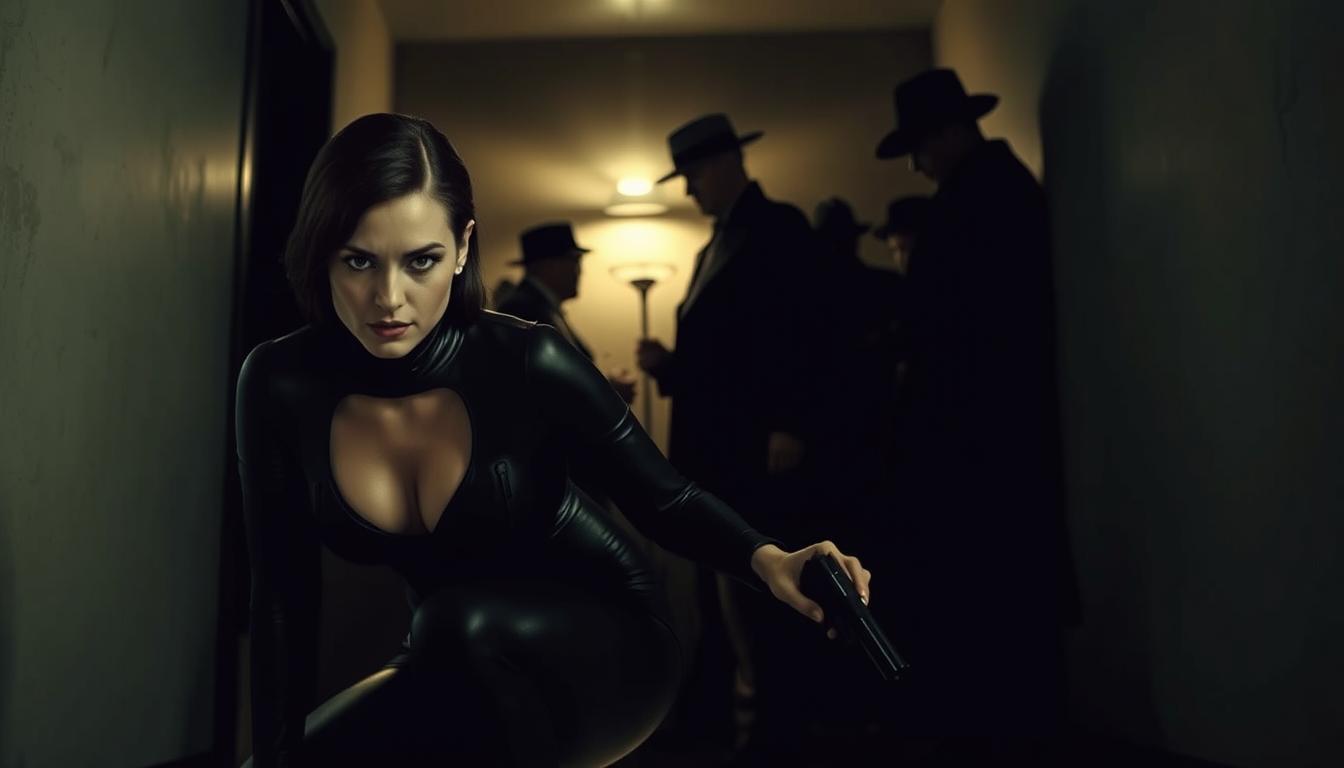
For centuries, spies have played a key role in shaping wars, politics, and global power. They have been a hidden force behind many important moments. Famous spies like Julius and Ethel Rosenberg, who were executed in 1953, show the legal risks of espionage.
The Espionage Act of 1917 has been used against many, including Edward Snowden in 2013. Snowden faced charges for leaking classified information. These cases highlight the secret world of spy networks.
George Washington’s Culper Ring, started in 1777, paid Nathanial Sackett $50 a month. That’s over $1,000 today. Sackett helped the Continental Army gather intelligence.
In World War II, Juan Pujol Garcia, known as GARBO, created a fake spy network. He had 26 agents. His work misled German forces, showing how spies can change the course of battles.
Spies have changed history, from the Revolutionary War to the Cold War. This article looks at how their actions, often risky and unseen, have shaped major events. Their stories are key to understanding espionage’s impact on the world.
Early Examples of Espionage in Ancient Civilizations
Long before we had modern tech, ancient societies used ancient spies to gain power. The Book of Numbers in the Bible shows Moses sending scouts to check out Canaan’s defenses. This became a key method for ancient intelligence gathering.
Egyptian pharaohs started using secret agents around 1000 B.C. Mesopotamian leaders also had networks of informants. They watched trade routes and kept an eye on rivals.

Sun Tzu’s The Art of War showed how important spies are in war. Greek military scouts used smoke signals and messengers to share battle news. Rome’s roman spies worked all over its empire.
The Roman cursus publicus system collected data from provinces. It helped Rome conquer Gaul and Britannia. Even Julius Caesar was caught off guard by spies in 44 B.C. He ignored warnings about his assassins.
These early tactics helped create organized spy systems. As societies grew, so did their need for secret networks. This legacy lives on in today’s global spy agencies.
Spying in the Middle Ages: A Time of Intrigue
Medieval espionage was a secret world hidden in castles and courts. Castle security used hidden passages, murder holes, and watchtowers to protect against betrayal. Royal courts had court spies to find out about plots. Figures like Sir Francis Walsingham built networks that stopped assassinations and watched foreign threats.

“No festivals outside the city walls—lest secrets slip through,” advised ancient strategists, a rule that shaped medieval military tactics.
Trade routes carried merchant intelligence, with traders acting as informants. Byzantine agents, dressed as merchants, sneaked into places like Damietta, speaking Arabic to blend in. Spies reported on enemy naval plans, and rulers like Richard the Lionheart used coded messages to outsmart rivals. Even castle walls couldn’t stop nobles from hiring diplomatic surveillance experts to steal secrets.
Secret codes, like synthemata, helped tell friends from foes. Merchant caravans carried maps and military intel under trade goods. By the late Middle Ages, court spies kept monarchs ahead of the game—a legacy in modern intelligence.
The Renaissance and the Rise of Modern Espionage
In the Renaissance, renaissance espionage turned spying into a key strategy for leaders. Diplomatic spies worked openly as envoys, while secret networks grew. Early cryptography, like ciphers and hidden messages, became essential for keeping secrets safe.
Venetian intelligence was at the forefront of this change. By 1539, Venice created the State Inquisitors to watch for threats. Their spies sneaked into Ottoman lands, using bribes and Jewish merchants to get info. This helped Venice control Dalmatia and Albania, securing its place in the Adriatic.

Queen Elizabeth I’s spymaster, Sir Francis Walsingham, founded a pioneering spy agency. His team read letters, cracked codes, and uncovered Catholic plots. Walsingham’s work set the stage for early cryptography and counterintelligence.
Venice’s spy networks reached far beyond Europe. Governors in Dalmatia used sabotage and murder to weaken Ottoman rule. Their diplomatic spies even targeted the Safavid Empire, sharing info with traders to upset rivals. These steps paved the way for today’s espionage, showing that intelligence can be as strong as any army.
Revolutionary Wars: Spies in Action
During the American Revolution, revolutionary war spies were true heroes. They were outnumbered and outgunned, but they used George Washington intelligence to even the score. The Culper Ring, started in 1778, was Washington’s secret eyes and ears.
Agents used colonial espionage tricks like invisible ink and secret drops to evade British spies.

Secret messages were hidden in books or looked like laundry receipts. Nathan Hale’s capture in 1776 showed the dangers, but the Culper Ring had big wins. They uncovered Benedict Arnold’s betrayal, saving the Revolution.
Even regular people helped. Tailor Hercules Mulligan shared British plans, and James Armistead, an enslaved man, got close to Cornwallis. His info helped win at Yorktown.
“Washington did not beat us militarily. He simply outspied us.”
From James Jay’s invisible ink recipes to double agents like Robert Townsend, spies were creative. Their work made espionage a key battle tool. By the end of the war, spy networks had changed the game, showing that information can beat force.
The Cold War: A New Era of Espionage
The Cold War turned the world into a secret battleground. The CIA, created in 1947, aimed to stop Soviet growth. Its early leaders, like William Casey, followed the Truman Doctrine to contain communism.
The KGB used spies to get inside information. The Cambridge Five, British spies from the 1930s, gave atomic secrets to Moscow. In the U.S., the Portland spy ring worked until 1961, and Operation Gold revealed a Berlin tunnel tapping Soviet communications. The CIA also made big strides in spy tech, like the U-2 spy plane and Corona satellites, which watched Soviet missile sites.
Nuclear secrets were the biggest prize. Klaus Fuchs, a scientist, gave atomic info to the USSR, helping them build their bomb. The Rosenberg trial in 1951 showed the high stakes—Julius and Ethel were executed for sharing nuclear secrets. Venona intercepts later proved their guilt, along with Alger Hiss’s espionage. These cases raised fears during the McCarthy era, showing weaknesses in both sides’ security.
From Berlin tunnels to space-based surveillance, Cold War intelligence shaped global tensions. The Cuban Missile Crisis of 1962 was averted thanks to Oleg Penkovsky’s leaks to the CIA. Even small actions, like Harry Gold’s role as a courier, had huge effects. This era’s impact is seen in today’s satellite systems and counterintelligence methods, showing how Cold War espionage changed spy tactics.
Women in Espionage Throughout History
Stories of female spies often fade into shadows, but their impact on wartime espionage is undeniable. During the Civil War, Harriet Tubman turned her Underground Railroad expertise into military strategy. She led 300 enslaved people to freedom and later guided a raid that freed 750 more. Her bravery defied gender in espionage norms, proving women’s roles extended far beyond traditional boundaries.
World War II brought more pioneers. Virginia Hall, despite losing a leg, became the first civilian woman awarded the Distinguished Service Cross for sabotage missions in Nazi-occupied France. Julia Child—later a culinary icon—worked for the OSS in Asia, earning a military medal for her wartime contributions. These women used societal underestimation of women in intelligence to their advantage, blending into environments where male counterparts might stand out.
Stories like Noor Inayat Khan’s reveal deeper struggles. As the first female wireless operator sent to France, she endured capture and execution but kept transmitting until her death. Their resilience reshaped gender in espionage narratives, proving female spies were key in global conflicts. From Tubman’s daring escapes to Hall’s resistance leadership, their legacies show how wartime espionage relied on overlooked strengths of women who turned societal stereotypes into strategic tools.
Modern Technology and the Evolution of Spying
Today’s spy tools use digital surveillance and signals intelligence to fight threats we never imagined. Hedy Lamarr’s 1940s invention, once a secret, now helps with WiFi and GPS. This shows how signals intelligence affects our daily lives.
Cyber espionage costs the world billions. The U.S. faces over 1,000 cyber attacks daily. Countries like Iran and Syria use simple yet effective cyber tactics. Tools like facial recognition and metadata tracking give agencies great power but raise privacy concerns.
The Edward Snowden leaks showed how signals intelligence programs watch our communications. This has sparked debates on legality and ethics. Even old methods like microdot cameras have evolved into malware and AI hacking. But, small groups can now rival states in cyber warfare, as seen in ransomware attacks.
Intelligence agencies face a big challenge. They must innovate while protecting our rights. The battle against cyber espionage is a key part of 21st-century conflict.
Ethical Dilemmas in the World of Spies
Intelligence operations are getting more complex, leading to heated debates on intelligence ethics and spy morality. Juan Pujol Garcia, a double agent in WWII, is a prime example. He tricked both the Allies and Nazis with fake reports, helping the Allies win but lying to do so. This shows how good intentions can lead to moral gray areas.
Today, espionage laws face a tough task to balance security and privacy. The GCHQ collects 50 billion metadata records daily, raising privacy concerns. Yet, 51 countries work together to set standards, but enforcement varies. Intelligence oversight bodies struggle when governments value secrecy over openness.
What’s right depends on the intent and the outcome. The CIA stopped 20 plots under George Tenet, but there’s controversy over enhanced interrogation. The European Court’s decision on Alexander Litvinenko’s poisoning highlights accountability issues. The field of intelligence ethics aims to protect human rights, but secrecy makes scrutiny hard. As technology advances, so must our ethical discussions.
Conclusion: The Continuing Legacy of Spies
From ancient times to today, spies have shaped world events. The spy legacy continues in our modern world. Groups like the CIA, born from WWII’s OSS, face new threats like cyberattacks and extremism.
John le Carré’s novels, like The Spy Who Came in from the Cold, show this journey. His character George Smiley, first seen in 1963, returns in A Legacy of Spies. These stories highlight the importance of ethics in espionage, not just tactics.
Today, we face challenges like disinformation and nuclear threats. Groups like MI6 are adapting to these changes. Films like Skyfall show that spies are more vital than ever, fighting against lies.
Le Carré’s 24 books span over half a century, proving espionage’s lasting importance. His stories reflect real-world changes and moral dilemmas. As new threats arise, history’s lessons guide the next generation of spies.