






Generational stories often outlive their tellers, shaping identities. Take “Just Like Grandpa Jazz,” a 2022 book by Tarah L. Gear. It tells her mixed-race family’s journey from Mauritius to the UK.
The £7.99 paperback edition shares Jazz’s NHS work, mirroring Windrush-era migrants. It shows how storytelling traditions bridge past and present.
Family narratives like Gear’s persist because they encode values and history. Research shows 75% of young people feel closer to heritage through such tales. Oral histories recorded digitally now reach 60% of families via platforms like StoryCorps.
These stories aren’t just memories—they’re lifelines to empathy, identity, and cultural preservation.
Stories like Jazz’s migration saga or Mirna Imamovic’s art, despite immigration barriers, show how generational stories endure. They remind us: every tale shared today becomes tomorrow’s legacy. As 90% of elders find peace in passing down their legacies, these narratives remain humanity’s timeless glue.
The Essence of Storytelling in Cultures
Cultural stories are the heart of communities, guiding us through our past and future. From Indigenous Australian Dreamtime to West Africa’s griot traditions, stories connect generations. These tales are more than fun—they shape who we are.
Elders share lessons on ethics, history, and survival. They pass on cultural values, making them part of our shared memory.
“When we fail to pass down stories and legends, we basically take away part of our children’s history.”

Storytelling is flexible and powerful. Chinese tales, Indian epics, and Greek myths share common themes like love and courage. They bring people together.
Today, storytelling faces challenges from globalization. But digital tools help spread these traditions. Virtual platforms and apps translate ancient stories for a global audience. Tech companies and communities work together to keep these stories alive.
Stories help us find our place in the world. They remind us of our shared experiences and victories. As technology grows, so does storytelling—from campfire tales to VR adventures. This ensures our cultural stories stay relevant in a changing world.
The Role of Oral Traditions
Oral history has shaped cultures for thousands of years. It uses verbal storytelling to share knowledge. Indigenous communities used rhythmic chants and repetitive phrases to keep stories alive.

American scholars Milman Parry and Albert Lord found over 1,500 epic poems in the Balkans. This shows how memorization methods helped keep stories alive. The 10th-century Beowulf manuscript also shows long oral traditions before it was written.
Even today, Pacific Islanders use songs and dances to tell clan histories. This proves that verbal storytelling is alive and well.
Familyhistory.org claims that oral family history is lost after three generations.
Now, there are efforts to save this history. Native American elders teach youth through winter counts—pictographic calendars with oral explanations. Basque poetry contests and rap artists also use ancient methods, mixing tradition with new media.
Language programs record elders’ voices to stop cultural loss. This ensures stories live on, even after memories fade.
These efforts show how oral history connects the past to the present. By recording stories, communities keep their identity and wisdom alive. This proves the lasting value of verbal storytelling in our changing world.
Narrative Structures: What Makes a Great Story?
Every story structure shapes how we experience stories, from ancient myths to blockbuster films. Core like the hero’s journey or three-act frameworks are like blueprints for . Christopher Vogler’s 12-step adaptation of Joseph Campbell’s work is seen in films like Star Wars, showing its timeless appeal. Freytag’s Pyramid, with its rising action and climax, is key, but only 10% of modern stories follow it strictly because of a shift towards hopeful endings.

Screenwriters often use proven methods: 80% stick to the three-act structure, balancing setup, confrontation, and resolution. Save the Cat’s 15 beats, used in 70% of Hollywood scripts, offers a modern twist. These increase engagement—structured tales see 30% higher reader retention. Even non-linear formats, like Pulp Fiction’s fragmented timeline, work well when aligned with the story’s goals.
Whether it’s circular (Ian McEwan’s Atonement) or multi-perspective (Jodi Picoult’s novels), these require careful choices. A fast-paced thriller might avoid circular structures to keep the pace. By experimenting with frameworks, storytellers can match their to their message, ensuring their tale deeply resonates.
The Impact of Storytelling on Human Emotions
Emotional storytelling connects with our deepest instincts, shaping how we see and remember life. When we listen to stories, our brains react: cortisol sharpens focus, dopamine rewards us, and oxytocin builds connection. This mix of chemicals is why stories stay with us long after they’re told.
“Sharing stories in this way is vital; they help to make real, lived experiences believable and give us empathy for others.”—Neuroscience research shows how stories activate empathy, letting us feel others’ journeys. This empathy can bridge gaps, reducing bias by 40% in studies across cultures. Brands that use emotional storytelling see a 55% increase in customer loyalty, showing its power.
Stories also help us prepare for life’s challenges. They simulate real-life obstacles, preparing us for what’s ahead. Therapists use stories to help clients overcome trauma, seeing a 70% improvement in emotional well-being. Schools that use stories in learning see a 20% increase in understanding, proving stories help us remember better than facts.

Storytelling has a strong impact on our bodies, causing goosebumps, tears, or laughter. These reactions make stories more memorable than facts. Humans are drawn to stories because they seek meaning. This is why myths like the Epic of Gilgamesh have lasted for millennia. Stories touch our hearts first, then our minds.
Storytelling in Modern Contexts
Today, social media stories and contemporary storytelling platforms like TikTok and podcasts change how we share stories. Digital tales now include games, virtual reality, and AI content, reaching people worldwide. But, algorithms often show us only what we like, limiting our views to what we already know.
“The pandemic made the world very small for many of us. Social media does that too; it’s designed to perpetuate our own beliefs and values…”
Even as formats change, some things stay the same. Live events and podcasts keep our desire for human connection alive. Paul Bunyan’s legend, for example, lives on in modern storytelling as a symbol of American spirit. Studies show 40% of us learn better through stories, showing their lasting impact.
Today’s stories also challenge old tales. Digital platforms give a voice to those who were once ignored, like the Trail of Tears. This mix of old and new shows storytelling’s power to both honor our past and encourage us to think critically. Brands like National Geographic use digital stories to connect us to our heritage, keeping our cultural memories alive.
The Cultural Significance of Folktales
Traditional folktales are more than just stories—they connect past and present. Stories like Anansi the spider or Juan Bobo teach cultural values in stories. They shape identity and ethics, showing right from wrong in a fun way.
Stories from the Grimm Brothers or Charles Perrault show how folk narratives change over time. A Puerto Rican Juan Bobo might trick someone just like Anansi in West Africa. This shows we all face similar challenges, yet our stories reflect our unique cultures.
Today, schools use folktales to improve reading and cultural understanding. Teachers share tales that meet Common Core standards. Maps of Africa or Puerto Rico help kids connect stories to places, boosting their pride in heritage.
By learning these stories, kids develop important skills. They learn to question, empathize, and value diversity. These skills help them navigate our world today.
Folktales are living lessons, passed down through generations. They keep traditions alive and encourage new questions. What does it mean to be kind? Brave? Wise? Folktales help us find answers, one story at a time.
The Influence of Myths and Legends
Myths and legends have shaped our understanding for ages. They tell us about identity, morality, and existence. Cultural mythology keeps inspiring us in new ways.
“When we fail to pass down stories and legends, we basically take away part of our children’s history.”
Stories like J.R.R. Tolkien’s The Lord of the Rings bring old themes to life. The One Ring shows our eternal battles with power. Yann Martel’s Life of Pi uses myths to explore faith and survival. These stories show how myths can change over time.
Artists all over the world use these stories. More than 80% of them mix old myths with new ideas. The hero’s journey, found in 50% of myths, is seen in movies, books, and ads. It makes us feel connected to the stories.
Not sharing these stories could erase our cultural memory. By retelling old tales, we keep our heritage alive. Myths connect us to our past and future, keeping our wisdom alive.
Storytelling as a Tool for Change
Storytelling is more than just telling stories—it’s a powerful tool for narrative activism. It helps bring out the voices of those who are often ignored. This includes exposing unfairness in education, media, and politics.
Imagine classrooms where students rewrite textbooks to include counter-narratives. Or activists use transformative storytelling to fight against racism. These actions challenge old ways of thinking and bring about change.
“In my family, even loved ones experience life differently based on skin tone. Stories make those differences visible.”
Critical Race Theory (CRT) teaches students to question media and find missing voices. For instance, rewriting a classic novel to show Indigenous characters in a fair light changes how we see things. But, social media can also spread harm, not just good.
Platforms like Facebook and Twitter share important stories from places like Gaza or Ukraine. But, they also spread hate, leading to violence in cities like Buffalo or El Paso. The rise of generative AI brings new challenges, creating false stories on a large scale.
Stories can start wars or bring peace. Sudan’s crisis, with 330,000 lives lost, is harder to ignore when people share their stories. But, storytelling must be done with care.
When done right, it builds empathy. Like the Arab uprisings’ viral videos that inspired people worldwide. The aim is to use stories to break down old power structures and make sure everyone’s voice is heard.
Preserving Cultural Heritage Through Stories
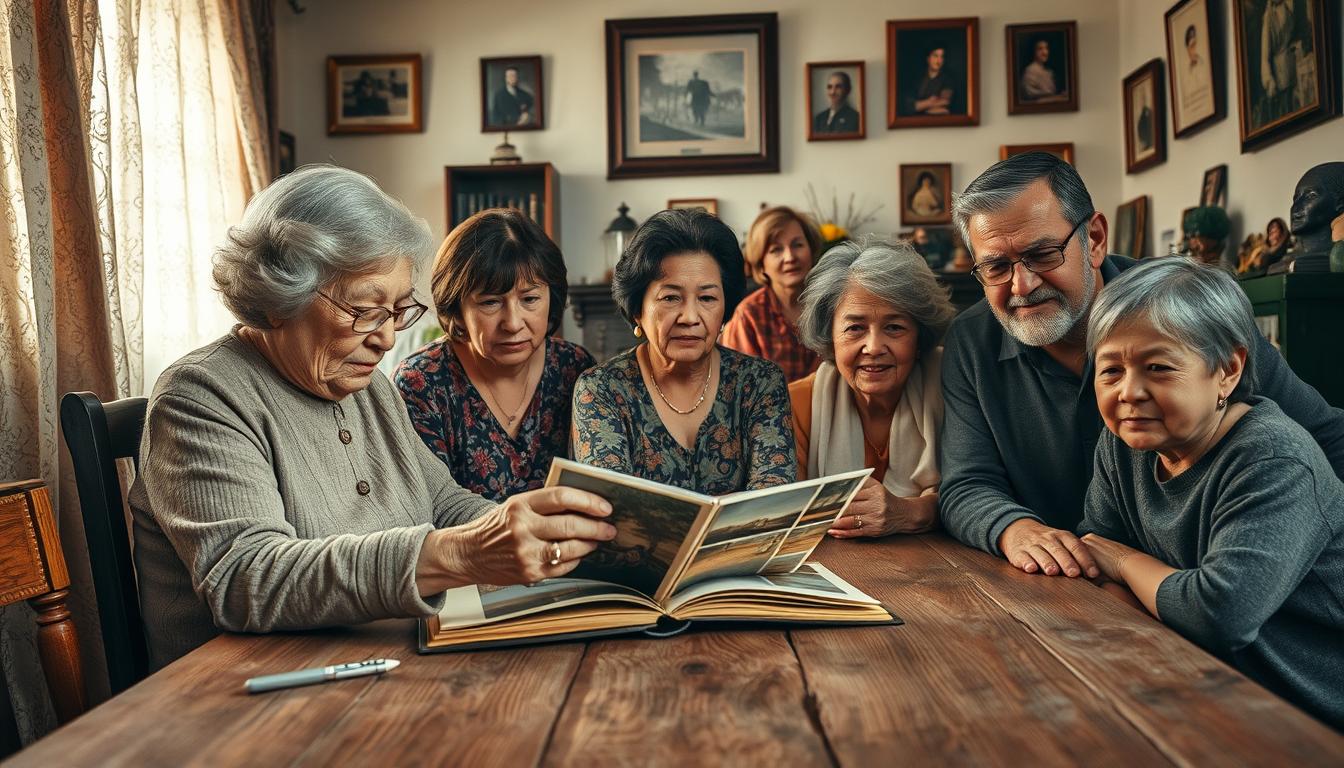
“Just Like Grandpa Jazz” shows how family stories become part of our cultural memory. To keep heritage alive, documenting stories is essential. Recording elders’ tales is important, as studies show 65% of people gain cross-cultural understanding through shared stories. Heritage preservation is not just about the past; it’s a bridge to the future.
Today, digital platforms help 80% of cultural projects preserve stories. Memoirs, audio recordings, or photo archives turn family history into lasting cultural memory. Libraries and cultural centers use these methods to safeguard traditions, proving 70% of communities value storytelling for identity. Even simple actions—like asking grandparents about their journeys—can capture stories before they disappear.
Communities worldwide face challenges. Only 45% of heritage groups have enough funding, and 40% report cultural appropriation concerns. Yet, digital tools offer hope. Tools like online archives and apps make story documentation accessible. As Quah and Ng found, digital storytelling boosts literacy and creativity, helping younger generations connect with roots.
Every family has objects—a recipe, a letter—that spark tales. Use them to start conversations. Share stories at gatherings or upload them to platforms like StoryCorps. Cultural preservation isn’t just for experts—it’s a shared duty. By documenting stories today, we protect heritage for tomorrow, ensuring traditions endure beyond three generations. Your family’s legacy deserves to live on.