







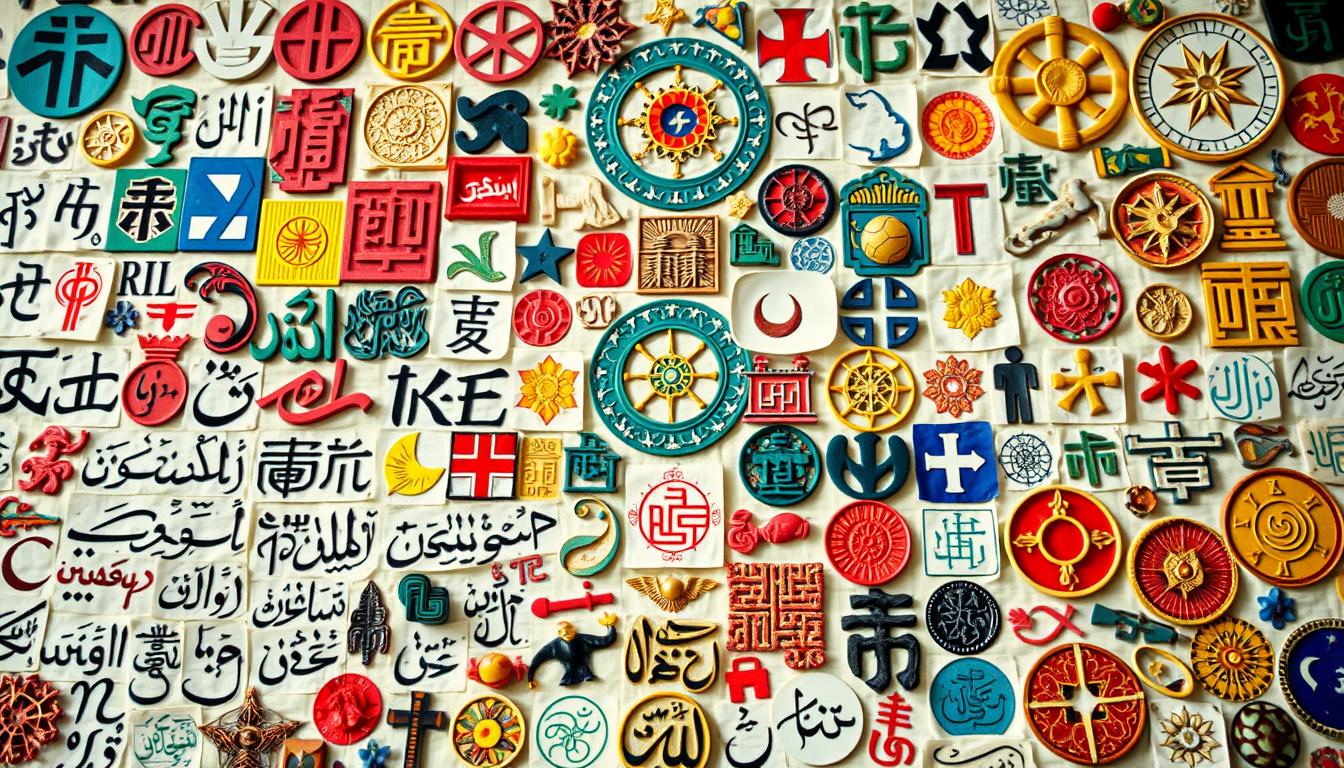
Names are more than just labels. They shape our personal identity and tell our stories. From ancient Rome to today, names have changed over time and place. Each name carries a legacy, whether from heritage or hope.
In Russia, a child might be named Dmitry or Ivan on their birth day. In Africa, names like Nia mean “sense of purpose.” These choices show how names connect to family, faith, and even the weather at birth.
Names also change with society. From Roman emperors to names like Humility, history shows how names reflect values. Today, as cultures blend, names tell us who we are and who we want to be.
The Historical Perspective on Names
Names have always meant something, tied to historical name origins and traditional naming customs. Ancient places like Mesopotamia started writing names over 5,000 years ago. The Sumerian clay tablet with “Kushim” is one of the oldest known personal names.
These early ancient naming practices often connected people to their family, job, or gods. This helped shape identities across different cultures.
In medieval Europe, big changes happened. The Council of Trent (1563) made it common to name kids after Catholic saints. The 1086 Domesday Book listed English surnames based on where people lived or what they did, like “Smith” or “Wright.”
As societies grew, so did the variety of names. In China’s Zhou dynasty, noble family names disappeared after 221 B.C. Slavic cultures, on the other hand, used names like Ivanovich or Ivanovna to show family ties.
Today, names continue to reflect these traditions. Shakespeare’s “Twelfth Night” helped make “Olivia” popular again, showing how stories can influence names. Even laws, like Germany’s rules on hyphenating surnames, show names are a living part of history, culture, and identity.
Names and Identity
Names shape how we see ourselves, a key idea in name psychology. Over 75% of people face misnaming, which can slow down personal identity formation in kids. Yet, many grow to love their names, finding pride in their cultural roots like Kyla, which means “triumphant” in Gaelic.
The name influence on personality is clear in our choices. We pick careers and friends based on our names. This shows how much our names tie to our self-worth.

Cultural practices deeply shape self-perception. In South Korea, parents use saju astrology to name their kids. In China, names often reflect parental hopes. Misnaming can hurt confidence, but trends like Blake’s rise for girls in 2018 show change.
Blake’s popularity shows names are evolving. They connect our heritage to our modern identity.
Research by Jean Weng looked at 325 million U.S. births from 1880. It found fewer top names today, showing a move towards uniqueness. Names reflect our society’s trends, like political leanings and gender-neutral choices.
Each name tells a story of personal and cultural values. Names are lifelong friends in our journey of self-perception. They carry our heritage and growth, shaping how we see ourselves and how others see us.
The Role of Names in Various Cultures
Cultural naming traditions shape identities worldwide, each reflecting unique values and histories. In many African communities, names like Ama (meaning “born on a Wednesday”) or Kofi (born on a Friday) link individuals to their birth days, a practice rooted in the Akan calendar. In Jewish communities, naming a child after a deceased relative honors legacy, avoiding living relatives to uphold tradition.
Global naming practices vary dramatically. Korean names blend family ties with poetic meaning, such as the surname Kim followed by a meaningful given name like Min-jung (“bright wisdom”). In Spain, patronymic surnames like Hernández (“son of Hernando”) trace lineage, while Iceland’s -son and -dóttir suffixes clearly denote parentage. These international naming customs highlight how language and heritage intertwine.
“Names are bridges between past and present,” says a 2023 UNESCO report on cultural heritage preservation.
Modern shifts reveal global influences. Argentina’s Lionel naming surge after Messi reflects celebrity impact, while China’s 1970s adoption of Western names like David or Jenny mirrors cultural exchange. Yet some nations enforce strict rules: Portugal bans names like Nirvana or Mercedes, Germany prohibits gender-neutral names, and Hungary mandates names like Zsüliett instead of Juliette. These policies underscore the power of international naming customs in shaping identity.
Whether through ancestral ties, astrological charts, or legal restrictions, names remain vessels of heritage and belonging. As globalization continues, these traditions adapt—proving names are more than labels; they’re living links to culture.
The Impact of Names on Social Dynamics
Names can make a big impression quickly. In just a tenth of a second, people judge someone’s personality and success by their name. This fast judgment often leads to unfair treatment based on ethnicity or uniqueness of a name.
Studies show that job applicants with “white-sounding” names get 50% more callbacks. This is because of unconscious biases against ethnic or unique names. Some people even change their names to sound more “white” to get ahead, a practice known as “name whitening.”
Teachers and peers also have biases. Kids with hard-to-pronounce names face more teasing and lower academic expectations. Names like “Liam” or “Zara” are often seen as more positive.
In school, a familiar name can affect how students are seen. It can influence everything from classroom interactions to leadership roles.
Professionally, the cultural background of a name matters. Research by Albert Mehrabian found that names like “Michael” or “Emily” are seen as successful. But unique names might lead to awkwardness in networking and building trust.
Yet, changing a name, like Muhammad Ali did, can change how people see you. This aligns with the idea that names shape our personalities.
Schools and workplaces are now working to fight these biases. They offer anti-bias training and guides on how to pronounce names correctly. It’s important to recognize the harm of name stereotyping to create fair and inclusive places.
Gender and Names
Traditional gendered naming patterns often use feminine name endings like -a, -ette, or -ine for girls. On the other hand, masculine name conventions prefer harder sounds. For example, Charles can turn into Charlene or Caroline, making it softer.
Historical changes show names like Ashley once belonged to both genders but now lean towards one. Modern trends show a shift, with gender-neutral names becoming more popular as old norms fade.
“Names starting with ‘soft’ sounds were assigned to girls 82% of the time,” noted a 2015 UK study, highlighting deep-rooted stereotypes. Sound alone shapes perceptions: voiced consonants like ‘K’ in Connor feel masculine, while ‘L’ in Emily feels feminine.
Data shows 97% of names like Liam or Emma are strictly assigned by gender in the U.S. and UK. This strictness can affect lives—boys named Emily face more school disruptions, as 2007 research found. Job applicants with “male” names like Michael get 50% more callbacks than Emily, studies from 2012 show.
Heritage also plays a role: names like Muhammad are top among UK Muslim boys, while Black girls uniquely favor names like Precious.
Today, laws in the U.S. and UK allow name changes to match gender identity. As society changes, parents are choosing names that blend tradition with modern views. A name’s gender can signal identity in many ways, from legal documents to classroom seating charts.
Names in Religion and Spirituality
Names hold deep spiritual meaning across the globe. Biblical names like Abigail mean “brings joy.” Hindu names come from Sanskrit. These traditions shape who we are and our future.
Sacred naming ceremonies, like Jewish baby-naming rituals, honor our ancestors. Islamic practices often celebrate prophets like Muhammad.

This quote shows names are connected to our essence. Jewish law suggests adding names likeChaim (“life”) to change our fate. The Midrash asks, “Did you live up to your name?” during judgment.
Hebrew words for “name” (shem) and “soul” (neshamah) share letters. This links our identity to the divine.
Hindu rituals use astrological charts for names like Dhruv (“North Star”) or Veda (“knowledge”). In Christianity, the Jesus Prayer tradition shows the power of sacred names. Even mathematicians like Dmitri Egorov found inspiration in Name Worshippers, blending faith with theories of infinity.
Names like Aisha (Islamic for “life”) or Theodore (“God’s gift”) mix faith and identity. The Torah tells us Israelites kept their names during Egyptian slavery. This shows names are spiritual anchors.
These practices remind us names are more than labels. They connect us to the divine.
The Significance of Surnames
Family name origins often reveal hidden stories. Names like Smith and Chan guide us to our heritage. By the 16th century, most European families had fixed surnames. These names were shaped by occupation, location, or family ties.
Patronymic names, such as Johnson (son of John) or MacDonald (son of Donald), show how names were passed down. In Norse traditions, names ended in -son or -dóttir to mark lineage. Spanish names like Rodríguez or Sánchez and Japanese names like Minamoto reflect clan identities. These naming traditions connect generations, keeping cultural threads alive for centuries.
Colonization and migration changed surnames. Many African-Americans took names given during slavery. Japanese law in 1868 made family name structures official. Irish names like O’Connor or MacGowan show Gaelic heritage. Today, blended families create new surname traditions.
“A surname is a compass pointing to where we came from.”
Exploring surname history reveals surprising connections. DNA testing has shown unexpected lineages, challenging our family name origins. From ancient Sumerian Kushim to modern hyphenated names, surnames are dynamic. They are more than labels; they connect us to our ancestors’ lives.
The Influence of Pop Culture on Names
Celebrity and fictional names are big in naming trends today. When Barbie came out in 2023, the name Barbie became very popular. In fact, 32 newborn girls were named Barbie that year.
The Social Security Administration’s data shows big spikes in names after movies and TV shows. For example, Frozen made Elsa a hit in 2013. And Game of Thrones made Arya and Sansa popular. These examples show how media can influence names.

Pop culture trends often follow current events. After Kobe Bryant’s death, the name Kobe became 200% more popular for boys. Names like Luna and Hazel also rose in popularity thanks to celebrity babies.
Even anime and books can influence names. Characters from A Court of Thorns and Roses like Rhysand and Azriel are now found in U.S. birth records.
Social media makes these trends even bigger. Influencer Kaeli Mae’s 1M followers helped her name jump 100 spots in 2023. On the other hand, memes made Karen’s popularity drop 90%.
Brands like Barbie and shows like Yellowstone show how stories shape identity. As pop culture changes, so do the names we choose for our children. It shows our love for stories and stars.
The Future of Naming Practices
Modern naming trends are changing with technology. Now, names are chosen with online presence in mind. Parents want names that are unique yet easy to spell, blending creativity with practicality.
AI tools like NameCrowd and BabyNameWizard help predict popular names. Experts think algorithms will give more personalized name suggestions. This could include cultural and linguistic factors.
Nature-inspired names like Luna or River are becoming popular. So are gender-neutral names like Alex or Taylor, showing a move toward inclusivity. Brands also choose names carefully, like Apple’s simplicity or Google’s fun tone.
As the world gets smaller, we might see more names that mix different cultures. But there are also challenges, like legal fights over names or worries about cultural appropriation. The future will need to find a balance between personal names and what society expects.
The Globalization of Names
Globalization has changed how names move across borders. Parents now pick cross-cultural naming options like Grace or Mercy. These names, rooted in Christianity, are loved worldwide. This shows a move towards globalized naming trends, where names from different cultures add to our identity.

A global dataset covering 17 countries has 1.5 million unique first names. In places like Austria and Belgium, names like Maria or Mohamed are common. They mix local and international styles. Families choose multicultural name selection to honor their diverse backgrounds, blending tradition with a global touch.
International name adaptation means changing spellings or sounds for different languages. For instance, Li in China becomes Lee in English-speaking countries. These changes help names connect across cultures while keeping their core meaning.
Samuel Huntington’s “civilizations” theory points out cultural differences. Yet, names today often connect these gaps. A study in Switzerland found 1.5 million unique name combinations, showing how migration leads to mixed naming practices.
Today, parents think about how names work globally. Brands like Nike or Apple use simple, adaptable names. Families choose names like Amira (Arabic) or Liam (Irish) for their global appeal. This reflects John Mbiti’s idea: African names carry deep meanings, now shared worldwide.
As borders fade, names act as bridges. They celebrate diversity while showing respect for different cultures. The future promises more names that go beyond geography, mixing heritage with a global connection.
Conclusion: The Enduring Legacy of Names
Names are more than just letters; they tell stories. They connect us across time and cultures. Names like “Victoria” and surnames like “Smith” show how name inheritance and cultural name preservation keep traditions alive. Names like “González” and “Muhammad” share stories of heritage and faith.
Today, naming trends blend old and new. Chinese names, for example, mix ancient virtues with modern touches. Debates over names like Mount McKinley show how name legacy shapes our cultural memory. Choosing a name is a way to connect with the past and look to the future.
Every name has a story behind it. Whether picking a name for a child or changing your own, meaningful name selection is important. It can open doors and shape how we see ourselves. Names like “Anatolian” and cultural symbols remind us of the power of names.
Coastal communities in the Gulf of Mexico and people around the world value their heritage through names. Names are not just labels; they are bridges to our shared history. They encourage us to respect and honor their origins and meanings.