





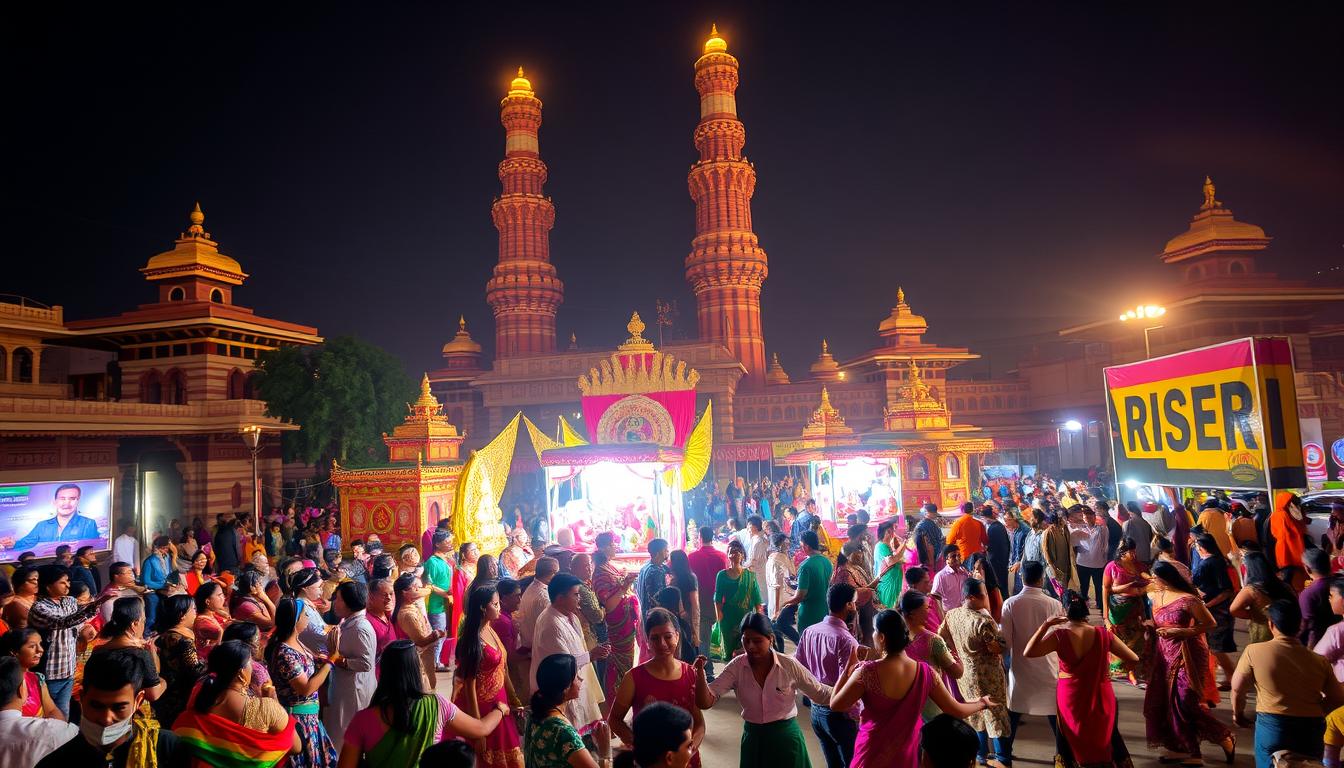
Cultural festivals are more than just fun events. They are living records of history, creativity, and shared heritage. Celebrations like Diwali in India or Japan’s Gion Matsuri keep traditions alive. They pass down rituals that shape cultural identity for generations.
These events connect the past with the present. They mix music, dance, and art into community life. This creates a strong sense of community.
In Brazil, Carnival is a lively celebration. In Ireland, St. Patrick’s Day parades are a big deal. These festivals show off unique customs and traditions.
Dublin’s Irish Dance Party is a great example. It combines learning with fun. It helps younger generations connect with their roots and attracts people from all over.
These festivals remind us that cultural identity is always changing. It’s renewed every time traditions are shared and experienced.
Let’s dive into how these celebrations keep traditions alive. They strengthen communities and inspire pride in who we are. What traditions shape your cultural story?
Understanding Cultural Identity Through Festivals
Festivals reflect a community’s deepest values. Diwali, for example, uses lights to show knowledge over ignorance. This festival symbolism teaches us about cultural values in celebrations. St. Patrick’s Day parades show Irish cultural expression through vibrant displays.
London’s Notting Hill Carnival celebrates Caribbean heritage. It strengthens community identity among diaspora groups. Chinese New Year’s dragon dances and family gatherings keep cultural roots alive. Australia Day’s fireworks and ceremonies unite people from diverse backgrounds.
“Festivals are where history and heartbeat meet.”
Over 60% of global respondents say festivals strengthen cultural ties. Rio’s Carnival or Germany’s Oktoberfest symbolize national identity. Each drumbeat, costume, and ritual carries layers of meaning.
Whether through the red envelopes of Lunar New Year or the bonfires of Samhain, these acts of cultural expression ensure traditions endure. Next time you join a celebration, look deeper. The symbols and songs might just reveal a culture’s soul.
Historical Significance of Annual Celebrations
Many festival history roots go back to ancient times. They were tied to survival and spirituality. For example, Japan’s Gion Matsuri started as a way to appease gods during a plague 800 years ago. Now, it’s a grand parade that shows community pride and honors the past.

Diwali, the “festival of lights,” celebrates Lord Rama’s return to Ayodhya. It’s now celebrated by over 1.3 billion people worldwide. This shows how religious events can blend with global culture.
Nowruz, a 3,000-year-old tradition, is celebrated by millions in Iran and Central Asia. It symbolizes renewal, showing that even secular events have deep historical roots.
In small towns across the U.S., events like Tomato Day or local harvest fairs have ancient roots. They connect modern people to their ancestors. These events, often run by volunteers, keep historical festivals alive. They show that traditions thrive when communities preserve their stories.
How Festivals Foster Community Engagement
Community celebrations like Diwali or St. Patrick’s Day turn neighborhoods into collaborative spaces. Families preparing gujiya sweets or decorating streets engage in festival participation, fostering festival community building. These shared tasks transform strangers into collaborators, weaving social bonds through shared purpose.
Intergenerational traditions thrive here too. Elders teach kids crafts or stories, keeping cultural practices alive. At Minnesota’s Irish Fair, grandparents and grandchildren design floats together, merging old and new ideas. Such exchanges ensure heritage stays vibrant while building trust across ages.
“Festival engagement enhances community well-being through social capital,” a University of Minnesota study notes.
Statistics reveal 72% of event organizers see festivals as unity tools. The Lady Slipper Celebration saw 87% of attendees gain new knowledge, with 83% planning returns. These gatherings prove shared rituals—like lighting lamps or sharing stories—create lasting connections. Through hands-on activities, festivals become laboratories of belonging, where everyone contributes to a collective story.
The Economic Impact of Cultural Festivals
Festivals boost local economies in many ways. The Notting Hill Carnival in London, for example, draws over a million visitors. It adds £93 million to the local economy. This event also supports 3,000 jobs and brings in 90,000 international visitors, who spend £36 million.
These numbers show how festivals are economic drivers for cities and regions. They support cultural tourism and create jobs.

Even smaller festivals have a big impact. The Leicester Belgrave Mela, with 100,000 attendees, brings in £7 million locally. This money goes to artists, vendors, and infrastructure, benefiting the community.
A small food festival spending £15,000 can create £27,000 in economic activity. This shows how festivals can have a big effect on local businesses.
These events also create jobs in planning, hospitality, and the arts. For example, 55% of local businesses see more revenue during festivals. And 63% get more customers. Volunteers contribute 30,000 hours a year, which is like 341 full-time jobs.
So, festivals are more than just celebrations. They are strategic tools for economic growth. They balance cultural preservation with financial sustainability.
Celebrating Diversity: Intercultural Interactions
Intercultural festivals and cultural exchange events are changing how we connect globally. Events like St. Patrick’s Day, once just for Irish heritage, now attract millions worldwide. They mix local traditions with global celebrations.
In cities like New York or Chicago, parades and green-themed parties are where diverse groups come together. They share stories and traditions.
Diwali celebrations in Houston or Los Angeles show festival diversity. They feature light installations, food stalls, and music that connect continents. These events let people learn about customs beyond their own, building empathy.
UNESCO’s Creative Cities Network has 246 cities worldwide hosting programs. These programs use art and culture to spark dialogue. Projects like Artolution in refugee communities use art to heal and unite.
Rio’s Carnival is a perfect example of cultural fusion. It mixes Indigenous, African, and European rhythms into a vibrant show. Even corporate events like Salesforce’s Dreamforce use cultural storytelling to strengthen global ties.
But it’s important to participate respectfully. Learning about the origins of traditions is key to avoid cultural appropriation.
Juneteenth’s rise as a federal holiday shows the power of cultural pride. Celebrating together builds belonging and reduces isolation. Festivals are more than parties; they’re places where we learn to appreciate diversity through shared joy.
Preservation of Heritage Through Festivals
Traditions like Vietnam’s Water Buffalo Fighting Festival show how festivals keep heritage alive. Held for nearly 2,000 years, it honors ancient martial arts and craftsmanship. These festivals make sure heritage is not just a memory but a living practice.
The Nguyen Phi Y Lan communal house is a symbol of cultural safeguarding. It blends tradition with community pride.
Language preservation festivals give life to endangered dialects. The Basque region’s efforts have increased speakers by 30% in decades. Songs and stories at these events help revive languages.
Irish dance gatherings and Japan’s Gion Matsuri showcase cultural safeguarding. Artisans craft elaborate floats using century-old methods. These events show how cultural safeguarding thrives through hands-on participation.
Youth engagement increases when traditional crafts are part of festivals. Festivals like Gion’s float-making workshops or Ireland’s céilí dances teach young people skills. These events prove cultural safeguarding is about adapting traditions through shared joy.
By celebrating heritage, communities keep their history alive. This ensures their history stays vibrant, not forgotten.
The Educational Value of Festivals
Festivals are like vibrant classrooms where learning happens naturally. UNESCO’s global programs show how cultural learning thrives in these spaces. Vietnamese kids making star-shaped lanterns during the Mid-Autumn Festival learn traditions directly.
At the Irish Dance Party in Dublin, visitors don’t just watch. They join dance workshops and storytelling sessions. These activities turn cultural heritage into interactive lessons. Diwali’s rituals teach values like light overcoming darkness, while Mid-Autumn’s mooncakes symbolize family unity.
Communities worldwide use festivals to pass down skills. During Tet Nguyen Dan in Vietnam, making traditional foods is a lesson in history and family roles. Schools partner with local events like the Galway International Arts Festival, providing guided tours and crafts that match classroom topics. Even the 1,000 participants in England’s Kynren show blend entertainment with history lessons.
Parents and educators can make the most of these opportunities by getting kids involved in festival prep. Whether baking mooncakes or learning Irish step dance, these activities create lasting cultural connections. Festivals show that education doesn’t need a classroom—they’re living labs where heritage stays alive through shared joy and participation.
Environmental Awareness in Modern Festivals
Diwali’s lights and sounds now shine brighter with eco-friendly celebrations. More families use LED lanterns instead of fireworks to reduce air pollution. This shows that sustainable festivals can honor traditions without harming the planet. This change is part of a global trend where green festival practices are changing how we celebrate.

In Norway, the Riddu Riđđu Festival in Gaivuotna/Kåfjord combines Sámi heritage with environmental care. With 60% of the town’s population Sámi, they use biodegradable decorations and local food to reduce environmental impact. Brazil’s Carnival in Rio also offers recycling programs, making vibrant parades sustainable.
Communities around the world are embracing sustainable festivals. They focus on reusable materials and eco-friendly choices. From Japan’s Gion Matsuri reducing plastic waste to Ireland’s St. Patrick’s Day events using solar stages, creativity leads to change. These efforts keep festivals alive for future generations while protecting the Earth.
The Psychological Benefits of Festival Participation
Cultural festivals are more than fireworks or music. They’re key for our mental health. Festival psychology shows how events like Diwali’s family gatherings help reduce stress. They promote celebration well-being.
In the Philippines and Thailand, studies show that communal rituals make people happier. Festivals serve as emotional anchors in tough times.
Research from Thailand and the Philippines found that 1057 and 982 people felt less anxious because of communal joy. Festivals create a shared energy, known as “collective effervescence.” This energy helps fight loneliness, a major mental health issue.
Studies show that people with strong social ties are happier. This is true for festival-goers who dive into the rituals. They feel more connected and satisfied with life.
Modern festivals like Glastonbury or Sziget mix tradition with today’s world. They offer a break from screens and deadlines. But, not all festivals are good for our well-being, as seen with the failed Fyre Festival or the Avicii documentary.
The secret to mental health benefits is real participation. Singing hymns, lighting lamps, or dancing together strengthens bonds. This aligns with research that festival mental health benefits come from deep engagement, not just showing up.
For young people, festivals are places to discover themselves and connect with others. Even short breaks, like Diwali’s focus on being present, can refresh our minds. As anxiety rises, festivals offer proven ways to boost joy and a sense of belonging. They show that celebrating together is not just fun—it’s essential for our mental health.
Festivals as Platforms for Social Change
Festivals are more than just celebrations—they’re also tools for social impact festivals. Events like Pride parades and Diwali celebrations mix cultural change through celebration with activism. For example, modern Pride festivals fight for LGBTQ+ rights, while some Diwali events combine light ceremonies with helping others.

Progressive festival traditions today focus on being inclusive and green. The Sturgis Falls Celebration in Iowa now uses solar stages, showing how festivals can change. Japan’s Gion Matsuri now fights for gender equality by giving leadership roles to everyone, breaking old norms.
Burning Man’s art and Earth Hour’s global light-outs for climate action show festivals can lead change. Even old events like Songkran in Thailand now focus on reducing waste. Festivals that mix new ideas with old traditions help us move forward together.
The Role of Technology in Modern Festivals
Technology changes how we enjoy festivals. Online cultural events let us buy Diwali items online or watch Holi colors from home. Social media connects people from different places in real-time. Digital archives keep traditions alive for the future.
Virtual celebrations like live dances or AR rituals attract viewers worldwide. They mix old traditions with new technology.
Platforms like TikTok and YouTube host virtual celebrations for holidays. For example, Morocco’s Gnaoua Festival reached 1 million viewers. Hybrid events, like augmented reality at Brazil’s Parintins Festival, attract more young people by 35%.
But, there are challenges. Over 3.7 billion people lack internet, which can leave them out. Some worry that technology might make local traditions less important. Yet, apps help Indigenous groups save endangered languages, showing tech can also protect diversity.
The 2012 Festival of Pacific Arts in the Solomon Islands used live streams to share traditions. Debates on authenticity continue, but tech’s role is clear. It helps share heritage without losing its essence. The future of festivals is connected and rich in culture.
Future Trends in Cultural Festivals
Festivals of the future will mix old traditions with new ideas. This blend is essential to keep festivals exciting. Young people today want to see tech, like virtual reality at Chinese New Year or live Diwali events. This way, people all over the world can join in without losing the cultural essence.
Events like Notting Hill Carnival show how modern music and old rituals can attract many. Even small festivals, like Assam’s Bihu, now include modern acts with traditional dances. This mix helps kids connect with their heritage while enjoying today’s trends.
Festivals like Día de los Muertos and Halloween show how traditions evolve. India’s Onam and Wangala festivals use social media to share stories. This turns screens into bridges between the past and present. Kerala’s Kathakali performances now combine with digital art, showing innovation in cultural festivals.
Globalization brings challenges, but festivals like Munich’s Oktoberfest show cultural identity can endure. By using apps for tickets or AR tours, traditions stay relevant. Adding interactive workshops or eco-friendly themes, as in eco-conscious Diwali light shows, engages youth.
As the world changes, festivals will keep finding new ways to come together. Their core—uniting communities—remains the same. Whether through VR, social media, or hybrid events, innovation keeps festivals alive. By honoring traditions while embracing new ideas, festivals will continue to shape how we share stories and celebrate our unity.