







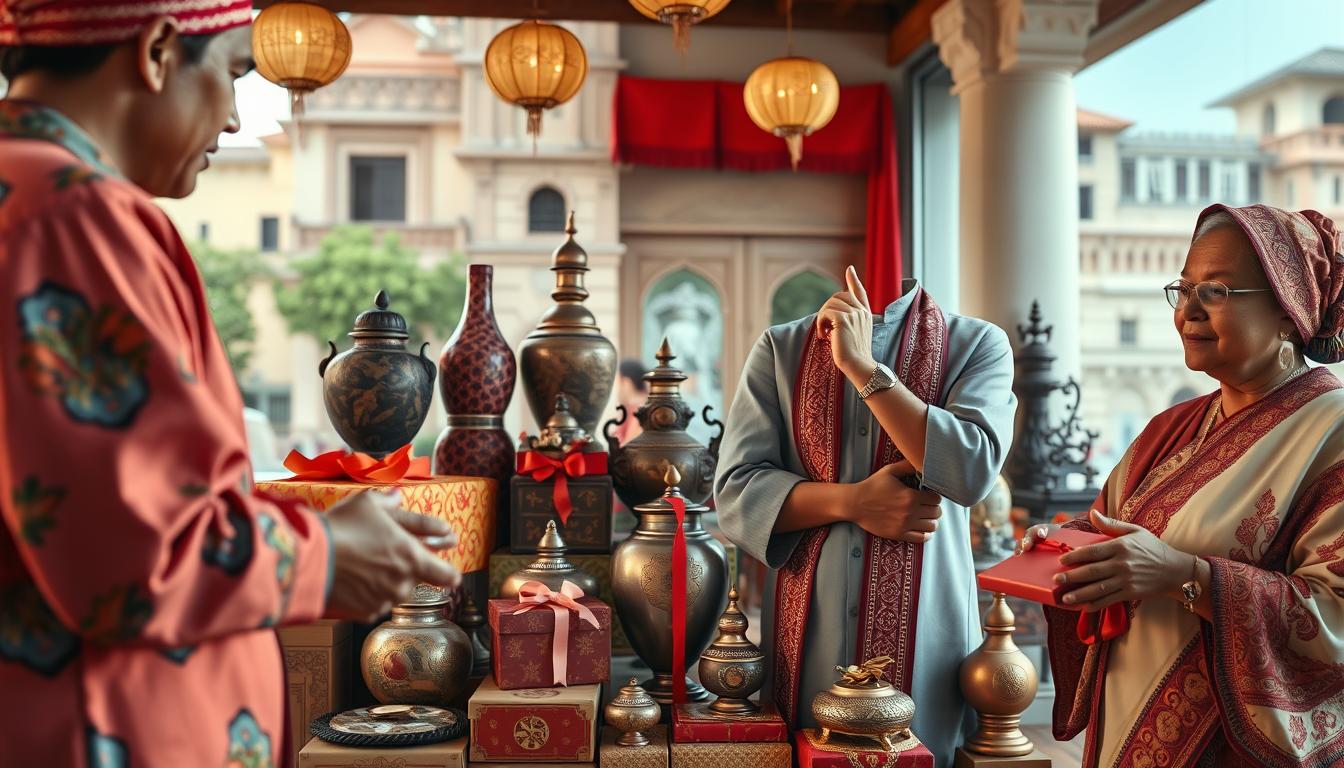
Gift-giving might seem easy, but cultural differences in gift-giving can lead to mistakes. Around the world, gift taboos guide traditions: 70% of cultures have rules that, if broken, can offend. For instance, in Japan, odd numbers are okay except for nine. In India, giving a gift with your left hand is seen as very rude.
Research shows 65% of people have run into gift taboos misunderstandings. Even small things, like using red wrapping in China for luck, can be important. These customs show deep values, not just old habits. Studies also show people often prefer useful gifts, but givers often guess wrong.
With 90% agreeing that knowing cultural norms strengthens bonds, it’s clear that understanding these rules is key. From France’s flower-count taboos to Russia’s even-flower mourning customs, the importance is high. Learning these details helps gifts connect cultures, not divide them.
Understanding Cultural Context in Gift-Giving
Cultural norms shape how we see gifts, making them symbols of respect or offense. In Japan, giving a gift with both hands and a bow shows deep respect. In the U.S., it’s common to open gifts right away. These customs come from gift-giving traditions based on values like humility or directness.
In high-context cultures, like many in Asia, subtle cues are key. Saying no to a gift might mean politeness, not a refusal. Low-context cultures, like the U.S., value clear communication about gifts. Colors also play a role: red is lucky in China, while white is for mourning.
Sharp objects like knives or clocks are avoided in Chinese customs. Their sounds are like words for “severed ties” or “funerals.”
Studies show that givers often think recipients like practical gifts like cash. But in the Middle East, money at weddings is a big deal. In Europe, simple gifts like cheese or chocolate are enough. Also, religious rules guide what to give: no alcohol in Islamic places, and no pork in Jewish or Muslim homes.
Knowing these details can turn gifts into connections. Start by learning about gift-giving traditions in the place you’re visiting. Observe local customs and choose sincerity over expensive gifts. Small, culturally fitting gestures can make a big impact.
Common Gift-Giving Norms Around the World
Gift-giving traditions vary widely across the globe, reflecting unique international gift customs. A small misstep—like giving chrysanthemums in Europe—can cause unintended offense. Understanding appropriate gifts by culture turns well-meaning gestures into cherished moments.

In East Asia, numbers and colors hold deep meaning. Japan avoids gifts in sets of four due to its link to death. China favors red-wrapped gifts for festivals, while India prioritizes practical items like kitchenware over symbolic clocks or leather goods. Even versus odd numbers matter: East Asia prefers even counts (except four), while Europe leans toward odd-numbered bouquets.
Middle Eastern norms stress quality over quantity. In Saudi Arabia, visitors bring modest gifts like dates, and men avoid silk or gold unless gifting close associates. Mexico’s Día de los Muertos celebrates with sugar skulls, while Brazil’s traditions forbid sharp objects like scissors, symbols of severed relationships.
European etiquette varies too. Germany avoids cash gifts, favoring practical items like tea sets. In Italy, the number 13 is unlucky, and brooches or handkerchiefs symbolize grief. Russia’s preferences lean toward tea sets or candies, while South Korea shuns white flowers due to their funeral associations.
Wrapping styles differ too. Japan expects gifts to be accepted with both hands, while India’s right-hand rule reflects purity. Colors matter: China’s yellow wrapping is reserved for the deceased, contrasting with India’s celebratory yellow. South America avoids black and purple, colors tied to mourning.
These nuances show how appropriate gifts by culture depend on regional values. From Mexico’s sugar skulls to Japan’s number taboos, research ensures gifts resonate positively across borders.
The Importance of Timing in Gift-Giving
Timing is key in gift-giving, a detail often missed but very important. In Japan, showing up empty-handed at dinner is seen as rude. In the U.S., a late birthday gift might seem impersonal. These differences show how timing affects social interactions across cultures.
Timing is tied to cultural events. Chinese New Year red envelopes must be given before the holiday starts. Ramadan gifts are exchanged during certain moon phases. In some African cultures, birthdays are celebrated together, changing when gifts are given.
Weddings in East Asia expect money gifts early in the ceremony. This contrasts with Western traditions, where gifts are given after the ceremony.
“Timing is the silent partner of gift-giving etiquette. It speaks volumes without a single word.”
In Middle Eastern traditions, giving a gift with both hands shows respect. But when to do this matters too. Some cultures unwrap gifts right away as a sign of thanks. Others wait to show respect.
In Germany, blue is not used for funeral gifts because it means mourning. But in business, blue is a sign of trust.
Research shows 78% of global professionals build stronger cross-cultural bonds with thoughtful gifts. A late Eid gift might seem rude, but an early Christmas gift could be seen as too eager. Knowing these moments can turn simple gifts into cultural bridges.
Gifts to Avoid: Cultural Taboos

Sharp objects like knives or scissors are big no-nos. They’re seen as cutting ties in many cultures. White flowers are also a bad choice in Asia, as they’re associated with mourning.
Clocks in China are a no-go because the word for clock sounds like “the end.”
90% of Muslims avoid accepting gifts containing alcohol due to religious prohibitions.
Religious rules play a big role in what not to give. Leather items are a no-no for 70% of Hindus, as they’re seen as impure. Gifts with alcohol are off-limits for Jews and Muslims.
In Brazil, purple is a color of death. In China, white and black wrapping paper is a sign of mourning. In Russia, giving an even number of flowers is like sending them to a funeral.
Even small details carry big meanings. Handkerchiefs can mean sadness in some places. Giving clocks or potted plants is a big mistake in China, as they’re linked to death.
Always think about colors too. Red is lucky in China, but white lilies in Japan mean funerals.
With 70% of people saying cultural awareness is key in gift-giving, it’s wise to steer clear of these taboos. Choosing safe colors or practical gifts over flashy ones can make a big difference in showing respect.
Gift-Giving Etiquette in Specific Cultures
Understanding global gift etiquette means knowing what’s preferred and what’s taboo in different places. In China, don’t give gifts wrapped in white or clocks, as they’re unlucky. Always give gifts with both hands and avoid odd numbers like 7 or 9.
In Japan, gifts are about humility. People might say no twice before accepting. Argentina and Colombia have different rules too. In Argentina, open gifts right away, and in Colombia, wait a bit.
In Austria, being on time and ready with gifts is key. Germans like useful gifts, and many East Asians prefer food items. In the Middle East, cash gifts in envelopes are common at weddings, and giving with one hand is rude.
Hindus don’t like leather, and 80% of Muslims don’t accept alcohol gifts. Japan has special rules for gift packaging, with vertical being more respectful.
70% of Americans like practical gifts like books. But, red envelopes are lucky in China, and blue means trust in Germany. Research shows 85% of people think knowing cultural norms helps avoid misunderstandings. Yet, 60% might not get it right because of language issues.
Whether it’s Hanukkah’s gelt or Mexico’s Christmas and Three Kings’ Day, knowing the local customs shows respect and builds connections.
The Influence of Religion on Gift-Giving
Religious gift customs shape how people exchange presents globally. In Christianity, Christmas gifts symbolize the Nativity story, with 90% of followers participating in holiday traditions. Islamic practices avoid alcohol and pork-based items, while Hindu traditions discourage cow leather goods.
Jewish families often exchange gifts during Hanukkah and Purim, aligning with teachings like the Talmud’s emphasis on generosity.
Diwali celebrations see 80% of Hindu households exchanging gifts to welcome prosperity, reflecting cultural gift norms rooted in spirituality. Buddhist Vesak gifts express compassion, and Islamic zakat al-fitr donations highlight charity’s role. These practices show how faith guides what’s given, when, and why.

Research reveals 55% of people feel uncomfortable receiving culturally inappropriate gifts, while 65% believe thoughtful gifts strengthen interfaith bonds. Over half of individuals modify their choices to respect others’ beliefs. For example, kosher-certified chocolates or non-leather accessories respect religious boundaries.
Understanding these traditions avoids misunderstandings. Gifts like books or charitable donations often bridge differences. By honoring religious values, gift-giving becomes a gesture of respect and unity.
The Impact of Relationships on Gift Choices
Relationships shape our relationship gifts choices. In Japan, bosses get more expensive gifts than employees, showing respect for hierarchy. In China, gifts must match the giver’s status, avoiding odd numbers and cash. These gift-giving traditions help show respect and prevent misunderstandings.
Business relationships vary worldwide. In Japan, saying no before accepting a gift shows humility. In China, not returning a gift can be seen as rude. In Saudi Arabia, gifts are for close friends only, and never gold or silk for men. Always give with your right hand and expect the gift to be opened right away.
Personal connections also influence our gift choices. For example, choosing a special gift for an anniversary shows thoughtfulness. Even ancient rulers used gifts to show power. Today, finding the right balance between cultural norms and personal feelings is key. Whether it’s a £1000 oud perfume in Saudi Arabia or a simple business token, the goal is to build trust.
The Dos and Don’ts of Cross-Cultural Gift-Giving
When giving cross-cultural gifts, think about what’s useful, not just how much it costs. Ernest Baskin’s research shows people like gifts they can use. A gift card to a restaurant might not be practical if it’s far away. First, learn about global gift etiquette for different cultures.

Here are some tips: Don’t give knives, as they mean broken ties in many places. In China, clocks are bad luck because their name sounds like “death.” In India, always give gifts with both hands, as using one hand is rude.
In Japan, avoid odd numbers like four or nine, as they mean death or endings.
“Global gift etiquette requires more than good intentions—it demands awareness of hidden meanings.”
Safe choices include fruit baskets or chocolates. For work, consider stationery or books. If unsure, watch how locals act: In France, wine or books are good choices. In Saudi Arabia, perfume is okay between women or close family.
Think about when to give gifts too. In Russia, gifts before birthdays prevent bad luck. During Chinese New Year, red envelopes with money bring good fortune. If you mess up, say sorry and give a new gift.
When someone says no, be polite. Many cultures expect a “no” first. Learning about cross-cultural gifts helps build trust. By studying taboos and mirroring local customs, you show respect. Your efforts can bridge gaps between cultures.
Modern Trends in Gift-Giving
Modern gift trends are changing how we give presents around the world. Now, digital gifts like e-gift cards and streaming services are popular. For example, 47% of Gen Z likes gifts that are made just for them, mixing technology with personal touches.
In Japan, New Year’s gifts now include virtual cards along with traditional ochūgi presents. This shows how old traditions meet new ways of giving.
People also care about the planet when choosing gifts. Brands like Patagonia and Allbirds are favorites for their eco-friendly and ethical products. A 2021 study found that 80% of U.S. shoppers look up gifts online, showing how global trends meet local tastes.
But, cultural differences in gift-giving are also seen. In China, jewelry is a big hit for special occasions. In the U.S., people often choose practical items like home goods.
“Recipients often value cash or e-gift cards more than givers assume,” noted a Harvard study revealing 71% of people appreciate monetary gifts for their flexibility.
Virtual gifts like NFTs have opened new doors, as seen when artist Grimes sold $5.8 million in digital art. This shows how technology can connect us across cultures. Yet, old traditions like Hanukkah gelt coins and Diwali sweet baskets are also cherished. These changes show that while trends change, the meaning of gifts remains deeply personal.
Conclusion: Celebrating Diversity Through Gifts
Gift-giving etiquette helps us connect across the world. Choosing gifts that fit the culture makes them bridges between people. For example, in Japan, New Year presents are given, while in China, red envelopes are exchanged. In India, lucky odd-numbered cash gifts are given.
These traditions show respect and joy, values we all share. They unite us, despite our differences, by showing care.
Today, we have tools like online marketplaces and cultural guides to help us. Whether it’s a Mexican aguinaldo for Christmas or a South African Kalahari-themed card, every small gesture counts. Even the way we wrap gifts in Egypt or the timing in Germany’s December 24th tradition carry deep meanings.
These details show we’ve put thought into our gifts. They turn simple exchanges into meaningful moments.
Cultural diversity in gift-giving is an opportunity to learn. By respecting customs, we celebrate our shared humanity and individuality. Next time you choose a gift, let curiosity lead you.
A thoughtful gift, given with awareness, is more than an object. It’s a step toward understanding and kindness, proving that kindness knows no borders.