







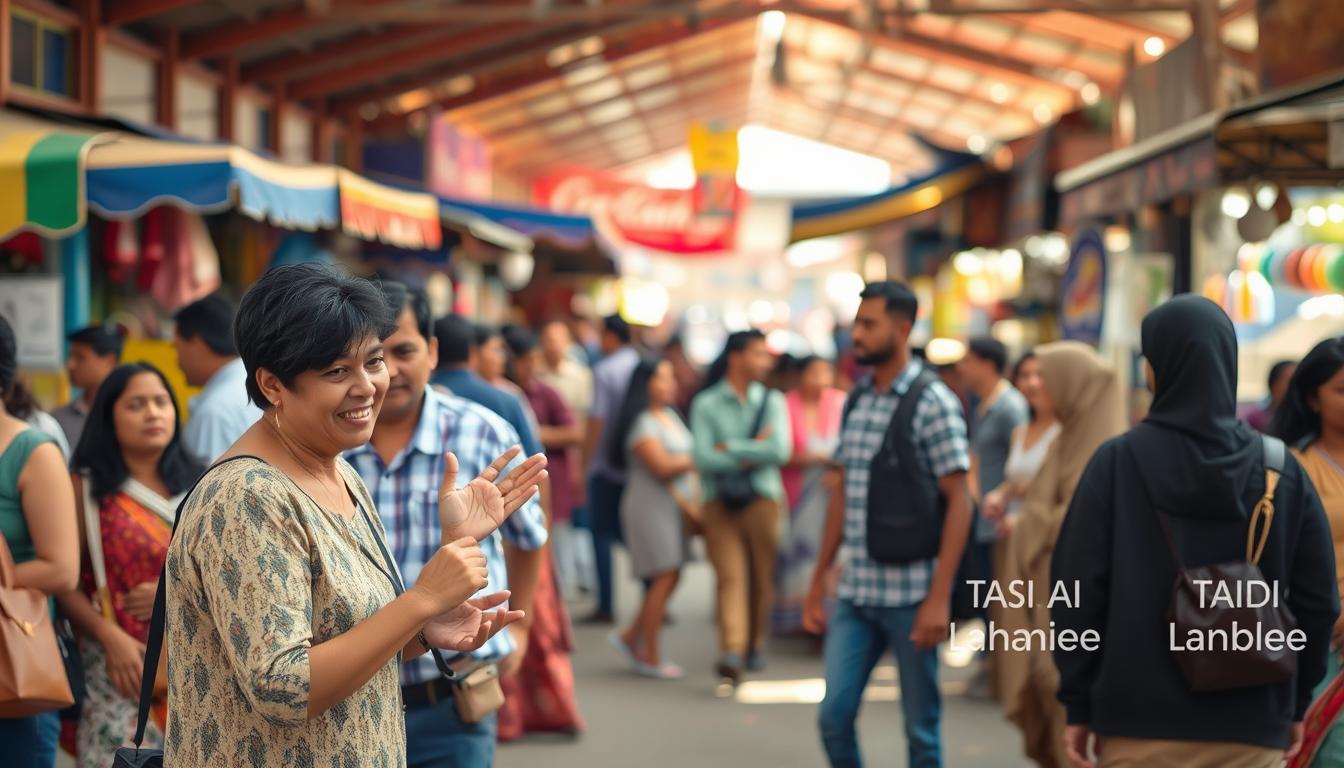
Ever wondered why a conversation feels cozy in Buenos Aires but awkward in Bucharest? This is proxemics, a field created by anthropologist Edward T. Hall. It studies how cultural norms shape interpersonal distance. These invisible boundaries, like Argentina’s 2.5-foot gap with strangers versus Romania’s 4.5-foot buffer, are more than habits. They are cultural blueprints.
A global study of 9,000 people found these gaps grow wider post-pandemic. Brazil’s personal space ballooned 92%, while China’s shrank despite high vaccination rates. Even neighbors clash: Brazilians touch 4.7 times per half-hour, while Japanese avoid contact entirely. These cultural differences in personal space turn casual chats into cross-cultural puzzles. They show distance is never just about comfort—it’s a language we all speak differently.
Understanding Personal Space
Personal space is more than just distance. It’s about personal space psychology. The proxemics definition shows how we create invisible walls in social settings. This personal bubble protects our feelings and thoughts.
For many Americans, this bubble is about 18 inches wide in talks. But, everyone’s comfort zone is different.

Nonverbal signs are key here. When someone enters your space without asking, it can make you uncomfortable. Research shows 60% of people feel uneasy when their space is invaded.
Children are even more sensitive, with 75% feeling anxious when their space is crossed. Studies by Burgoon and Eakins reveal interesting gender differences. Women tend to stand closer to friends than men do. Men, on the other hand, take up more space in talks.
These actions aren’t random. They come from our need to feel safe while connecting with others. Knowing about proxemics definition helps us respect others’ personal bubble. It matters in school, work, or just talking with friends. Even small spaces have big meanings.
The Four Zones of Personal Space
Anthropologist Edward T. Hall introduced Edward T Hall proxemics in the 1960s. He defined four personal space zones. These zones are like invisible bubbles that guide our interactions.
The closest zone is intimate distance. It goes from skin-to-skin contact to 18 inches. This space is for partners, family, or very close friends. It’s where we whisper secrets or share hugs.

The next zone is personal distance, from 18 inches to 4 feet. It’s for conversations with close colleagues or friends. Moving further, social distance is from 4 to 12 feet. This is for casual talks with people we know, like coworkers or neighbors.
Public distance is beyond 12 feet. It’s for lectures or speeches, creating a clear space between the speaker and the audience.
Cultural norms change these boundaries. In Tokyo’s subways, women-only cars create intimate spaces. In Saudi Arabia, social distance feels too close to Americans, causing awkwardness.
Mongolia’s handshake rule after accidental contact shows people actively rebuild personal space. Even leaders like JFK used public distance to show authority. He kept 30 feet between him and others.
How Culture Influences Spatial Norms
Personal space preferences come from cultural proxemics, which studies how societies interact through distance. In high-contact cultures like Saudi Arabia and Italy, people like to be close when talking. On the other hand, in low-contact cultures such as Japan or Sweden, extra space is seen as a sign of respect. These norms are not just random; they are deeply rooted in history and environment.

A 2017 study looked at 42 nations and found big differences. Romanians wanted 4+ feet (120cm) of space with strangers, while Argentinians were okay with under 3 feet (90cm). High-contact societies focus on connection, like tight-knit communities. Low-contact cultures, on the other hand, value independence, showing individualistic values.
Geography and climate also play a role. In crowded cities like Mumbai, people stand closer due to the density. In warmer climates, like the Mediterranean, people tend to be closer too. But in tropical zones, people may keep their distance because of parasite stress. Cultures like Mexico or Egypt, which are collectivist, prefer closeness. In contrast, individualistic nations like Germany keep more distance.
Edward T. Hall’s zones—intimate, personal, social, public—help understand these differences. But it’s the cultural context that matters most. For example, a 2017 survey showed U.S. averages at 4 feet, while Europeans averaged 2-3 feet. These differences show deeper values, like family bonds in high-contact settings versus privacy in low-contact ones.
Globalization is making these differences less clear, but understanding them helps us connect. A handshake in Brazil might seem too close to a Finn, but knowing this builds bridges. These differences are not about being friendly; they are part of our cultural DNA, shaped by history and environment.
The Importance of Touch in Different Cultures
Touch is key in cultural touching behaviors around the world. In Mongolia, bumping into someone means you must shake hands right away. This act helps keep respect and connection alive. It shows how touch strengthens social ties.
In the Mediterranean and Latin America, people often hug or tap shoulders when talking. But in East Asia, touching is mostly for formal situations. These examples show how haptic communication affects relationships and respect.

A study compared British and Japanese people’s views on touch. It found British people felt closer through touch, with a strong touch norms link. Yet, Japanese people were slightly more open to touch, with a touchability index of 0.17 compared to Britain’s 0.15.
Women in both groups were more likely to touch, showing touch is gendered. This study highlights the role of touch in forming bonds.
Today, globalization and health rules are changing old touch customs. Yet, some traditions like Brazil’s affectionate public displays or India’s namaste greeting remain. These customs show values like hierarchy or community warmth. Knowing these helps us connect across cultures, turning misunderstandings into chances for friendship.
Personal Space Preferences Around the World
Recent research with 8,943 people from 42 countries shows big differences in comfort zones. In Argentina, people stand just 2.5 feet apart from strangers. This is very different from Romania, where it’s 4.5 feet. These country-specific spatial norms show how cultural distance preferences affect how we interact. The study shows how varied global personal space expectations are.
In Latin America and the Mediterranean, like Peru and Bulgaria, people like to be close. They often enter what Edward Hall called “intimate zones.” On the other hand, Northern Europeans and Middle Eastern countries like Saudi Arabia keep a bigger distance. Turkey and Uganda, despite being close geographically, also prefer more space.
The U.S. falls in the middle at 35 inches, balancing between international proxemics trends. Climate affects personal space too: warmer places tend to be closer, while colder ones are farther apart. Women and older adults usually need more space in most cultures. These findings show how environment and tradition influence social interactions, proving personal space is not universal.
The Impact of Gender on Personal Space
Gender and how we stand close to others vary across cultures. Studies show men and women often have different comfort zones. For example, women in Tokyo and Seoul use special subway cars to keep their distance. This shows how cultural views on privacy and safety play a role in personal space.
Girls might prefer enclosed areas more than boys. A study found Iranian girls chose curtains over open spaces more than German boys. This shows how gender can influence our preference for space.
When men and women stand too close, communication can get tricky. A man standing too close might think a woman stepping back means she’s not interested. This shows how different gender norms can lead to misunderstandings.
Size and power also play a part. Taller people tend to take up more space, but gender also matters. Women might choose safety over closeness, while agreeable people tend to sit closer, regardless of gender (Hebel & Rentzch, 2022).
These differences aren’t the same everywhere. In Iran, kids prefer open spaces more than German kids. But worldwide, being aware of these cues is key to smooth cross-gender interactions.
Personal Space and Social Interaction
Every conversation sends hidden messages. The space between people during talks is like a silent guide. In workplaces, the right social interaction distances can make a big difference. Research shows that people feel most comfortable in private offices.
A study compared Korean and British workers. It found that office size affects comfort. Those in solo offices were much happier than those in crowded spaces.
Even window views matter. Employees with city views felt more comfortable than those without windows. This shows how our surroundings affect how we interact with others.
Unconscious changes in how close we stand can reveal a lot. When colleagues move closer, it might mean they’re getting friendly. But if they step back, it could mean they’re uncomfortable.
The 7-38-55 communication rule is important. It says that body language and tone are more important than words. In meetings, being too close can make you seem aggressive. But standing too far away might make you seem uninterested.
Understanding spatial communication helps us connect better. Paying attention to when someone leans in or steps back can tell us a lot. Respecting these cues builds trust, which is key in teamwork. Small changes in how we stand can make a big difference in our conversations.
Addressing Cultural Misunderstandings
When people from different cultures meet, cross-cultural misunderstandings can happen. For example, one person might step closer to show interest, while the other steps back. This “dance” shows intercultural spatial issues that can make relationships tough.
In healthcare, these misunderstandings are critical. Studies show that migrants with limited language skills get worse care without interpreters. A 2006 California study found that Hispanic and Asian/Pacific Islander patients using interpreters had better communication and trust in their providers.
Workplaces also struggle with multicultural communication gaps. SHRM research shows that unaddressed gaps hurt teamwork and morale. To fix this, proxemic adaptation starts with being aware. Simple steps like pausing to check others’ comfort zones or asking questions instead of assuming can prevent conflicts.
Training programs, like those recommended by Paternotte’s 2019 healthcare communication review, teach providers to use patient-centered dialogue. This reduces misinterpretations.
Couples from different cultures face unique challenges. Those in mixed backgrounds are 50% more likely to clash over personal space norms. Regular check-ins and cultural education help bridge divides.
Whether in relationships or global teams, being flexible and curious fosters mutual respect. As anthropologist Edward Hall noted, “Culture is the way we solve problems.” Embracing this mindset turns differences into opportunities for growth.
Embracing Cultural Diversity in Personal Space
Cultural diversity shapes how we interact, and it’s a skill we can all learn. Proxemic intelligence is about knowing that personal space varies across cultures. For example, standing close feels natural in some places but not in others.
This knowledge helps us build global communication skills. It turns awkward moments into chances to connect. Think of a business meeting where adjusting your stance avoids misunderstandings.
Education also plays a part. Teaching kids about these differences helps them grow up respecting different norms. For instance, while 75% of Latin Americans are comfortable with closer talks, only 20% of Northern Europeans are.
Knowing this helps us understand personal space as a language. As the world becomes more connected, learning these cues is key. A study found that 70% of cross-cultural conflicts come from nonverbal gaps.
But the good news is that over 80% of global leaders see better results when teams embrace these differences. Proxemic intelligence is about curiosity, not just rules. It’s about noticing when someone steps back or leans in and responding with respect.
Future generations will face even more diverse spaces. Schools and workplaces can help by sharing stories of cultural norms. Even small actions, like adjusting your distance, show openness. Remember, 90% of communication is nonverbal, so getting it right can bridge divides.