







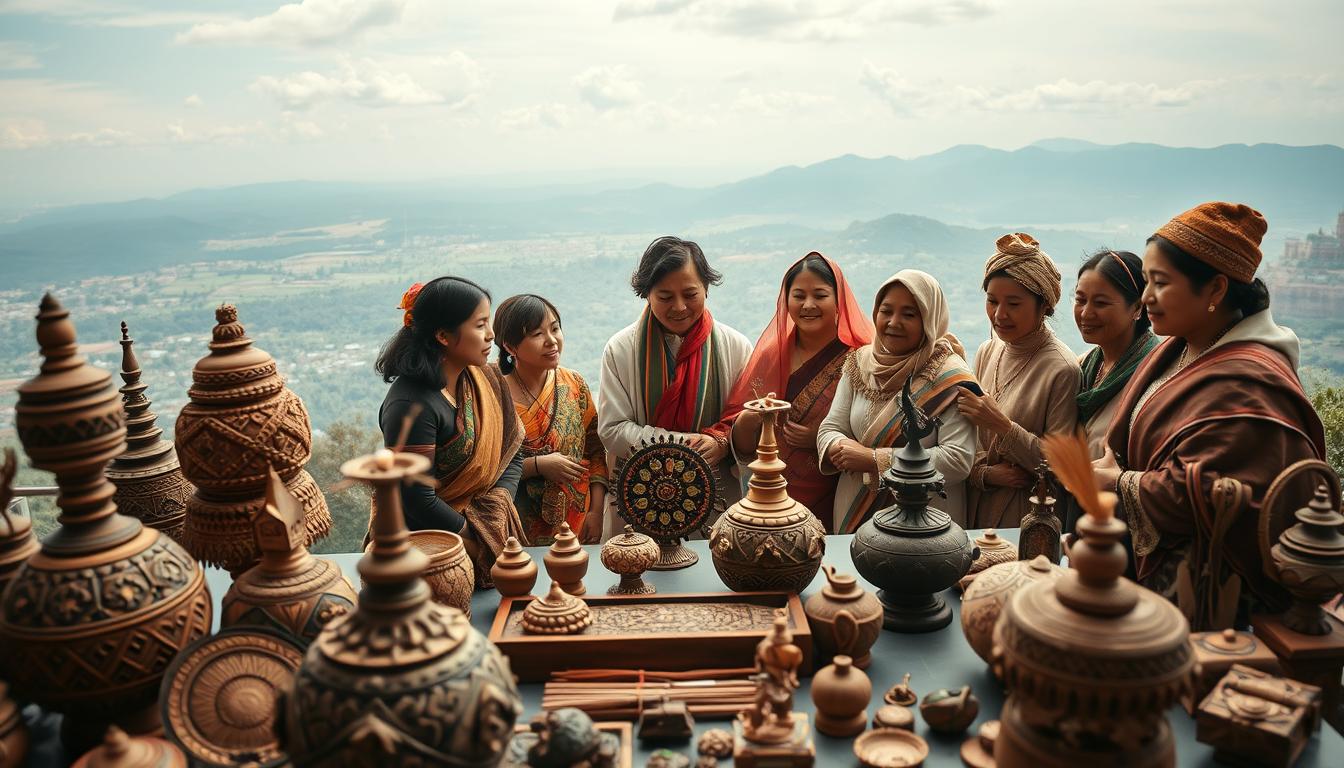
Cultural appreciation and cultural appropriation shape how we interact with traditions beyond our own. Today, 100% of Greenheart Club participants engage in cultural exchange, showing how sharing practices can build bridges. Yet, 60% worry about cultural appropriation in their communities, highlighting the need for clarity.
Cultural respect starts with understanding why borrowing symbols matters. For instance, 85% say knowing a symbol’s history is vital before using it, while 80% would feel offended if their heritage were misused.
Globalization makes cultural borrowing common—from fashion to art—but it’s easy to cross from appreciation to appropriation. Cultural sensitivity means learning why a tradition exists. Over 75% of people discuss cultural symbols’ meanings, showing curiosity drives respect.
When done right, cultural understanding fosters unity. But when ignored, it risks harm. This guide helps navigate that balance, using real stories and data to show how small choices impact communities. Let’s explore how to celebrate diversity without erasing origins.
Defining Cultural Appropriation
Cultural appropriation is when people take parts of a culture without permission or respect. This usually happens when powerful groups use elements from less powerful communities. The what is cultural appropriation debate focuses on power imbalances. Those with more power often benefit while ignoring the culture’s true values.
“If you’re ripping someone else off, it’s because you liked their stuff so much,” Fagin said. “If someone else is ripping you off, it’s because they liked your stuff so much.”
Cultural theft is common in fashion, music, and art. For instance, Indigenous designs used by non-Indigenous companies without credit are cultural appropriation examples. In Canada, most Indigenous-themed souvenirs sold in tourist shops are made by non-Indigenous producers. This denies Indigenous artisans income and recognition.
When cultures are used without consent, it fuels inequality. Marginalized groups lose their heritage as it becomes a product. The economic harm goes beyond art—Indigenous artists lose their livelihoods when outsiders profit from their work. This shows how cultural theft keeps systemic inequities alive.
Defining Cultural Appreciation
“I am all about being inspired by other people’s work but if there are things that are flat out being copied, that’s when I can’t really give respect to the artist,” Ezieme said.
What is cultural appreciation? It starts with curiosity, not copying. It’s about learning about traditions like Inukshuks, which help Inuit people navigate. Or totem poles, which share Pacific Northwest Indigenous histories.
Respectful cultural exchange comes from seeking understanding first. For example, the 1929 Dining & Lounge, once Wigwam, now honors Treaty 2 territory origins on their menus. This shows cultural learning in action.
Cultural learning means knowing the context. Wearing a turban or dreadlocks? Ask if it’s a sign of respect or just a trend. True appreciation gives credit where it’s due.
The 1929 Dining’s name change is a good example. It respects Ojibwe heritage by removing colonial references. This is different from brands like Gucci, which faced criticism for selling sacred styles without context.
True appreciation has four key parts: invitation, not taking, education, attribution, and reciprocity. It’s about working together, not just taking. When done correctly, it helps everyone grow, like how global cuisine blends flavors while keeping origins in mind.
The Thin Line Between Appropriation and Appreciation
Cultural borrowing ethics depend on intent and context. For instance, wearing a Native American headdress as a fashion statement is seen as appropriation. On the other hand, working with Indigenous artists shows respect. Filmmaker Fagin said, “It’s hard to inspire without copying,” showing the fine line between creativity and respect.
“If you mix your style with respect for origins, that’s a tribute,” designer Ezieme explained. This balance is key to avoiding appropriation.
Guidelines like cultural sensitivity training help creators stay on the right path. Brands using African patterns without credit can be seen as exploitative. Yet, 65% of designers now partner directly with cultural communities to avoid mistakes.
Questions are important: Do you understand the symbol’s meaning? Are you paying creators? Does the culture approve of this use?
Studies show 90% of Native Americans find headdresses as accessories disrespectful. At the same time, 85% of consumers prefer brands that follow cultural sensitivity guidelines. The goal is education—knowing when inspiration turns into theft. By respecting traditions and encouraging cross-cultural exchange, creativity can grow without causing harm.
The Role of Power Dynamics

Power dynamics are key in cultural exchange. They decide if borrowing is respectful or harmful. The power imbalance in cultural exchange often benefits dominant groups. They take symbols, traditions, or art from marginalized communities without consent.
This imbalance has roots in colonial histories. Dominant cultures exploited others’ traditions without permission. This is a form of cultural power dynamics.
Consider fashion: In 2021, a luxury brand sold a $1,150 item that looked like Mexican serapes without giving credit. This shows how privilege in appropriation leads to profit without recognition. Native American headdresses, sacred objects, are used as trendy accessories. This ignores their historical context as symbols of heritage and spirituality.
Over 60% of marginalized communities feel their traditions are stripped of meaning. They see their cultural symbols used for profit without respect.
Data shows 70% see appropriation every day, from social media to ads. When dominant cultures profit from marginalized traditions without sharing, it widens inequality. But, change is possible.
Brands that credit the origins of their ideas gain 55% more consumer support. Education and dialogue can reduce harmful practices by 40%. This shows that awareness can change behavior.
“Appreciation requires understanding who holds power—and who has been historically silenced,” says a 2023 cultural equity report. Listening to marginalized voices and sharing profits fairly turns exchange into mutual respect.
It’s not about blame but building fair relationships. It begins with learning a culture’s history, seeking permission, and ensuring marginalized creators profit from their traditions.
Understanding the Importance of Consent
Cultural consent is key to respectful cultural exchange. It means getting cultural sharing consent before sharing traditions. This ensures that practices are shared with community permission.
Imagine a dance group invited by Indigenous elders to learn a ceremonial step. This invited participation honors tradition and builds mutual respect.
78% of people think knowing cultural history is important before adopting traditions. Without community permission, using sacred items as fashion trends can harm. For example, many Indigenous groups dislike the casual use of “spirit animal” phrases.
“Students shouldn’t be the only voice for their culture.”
Teacher Cassandra Sheppard says educators should talk to communities directly. Teachers like Kimberly Colbert work with local tribes. This ensures classroom content respects cultural values, showing the power of cultural sharing consent.
Getting advice from cultural representatives or attending public events where traditions are shared can guide respectful engagement. Over 80% agree asking questions and listening to community leaders helps avoid misunderstandings. By focusing on cultural consent, curiosity can lead to meaningful connections.
Media Influence on Cultural Perception
Social media has changed how we see culture. Sites like Instagram let artists share traditions worldwide. But, it’s hard to avoid cultural stereotypes.
Photographer Fagin says these platforms give visibility but can simplify heritage. The line between sharing and stealing cultural items is thin. Digital sharing needs context.
“Before, people couldn’t easily share photos… now policing is harder,” said Pfeiffer, highlighting this duality.
Head wraps are a good example. Ruth E. Carter’s designs in Black Panther celebrated African beauty. But, critics say brands use sacred symbols without giving credit.
TikTok trends like the “fox eye” style also sparked controversy. They were seen as mocking Asian features. This shows how digital cultural sharing can both educate and exploit.
Creators must think about who benefits. When celebrities like Selena Gomez wore bindis without understanding their Hindu meaning, it showed a lack of knowledge. Shows like Insecure make head wraps common fashion, showing appreciation.

Viewers can also be critical. It’s important to know when trends erase or celebrate origins. Media can uplift or harm, depending on our awareness. As culture spreads fast, we must balance access with respect.
The Fashion Industry and Cultural Issues
The fashion world is filled with controversy over cultural elements in clothes. Trends like bucket hats and bodycon dresses were once seen as “ghetto” when linked to Black communities. Now, they’re celebrated as high fashion, but their origins are ignored. This shows how fashion cultural appropriation often erases the Black creators behind these styles.
Brands like Dior and Brother Vellies’s Aurora James show that ethical fashion is possible. James works with African artisans, sharing cultural elements with respect and payment. Dior’s Maria Grazia Chiuri also blends Mexican and Indian crafts in her collections, avoiding exploitation. Nike’s N7 line supports Indigenous communities by donating to wellness programs, balancing profit with purpose.
“Every collection has a story. Copying without context strips away its meaning.”
But challenges remain: Black designers earn less than their white peers, despite starting trends. Retailers often avoid culturally significant items unless they’re seen as “trendy.” To change this, designers need to research origins, collaborate fairly, and give credit where it’s due. As consumers, we can demand transparency and support marginalized voices to drive change. Fashion ethics require more than just following trends; they demand respect for the cultures that inspire them.
Addressing Misunderstandings
Cultural appropriation misconceptions often come from oversimplified views. Many think “good intentions” can erase harm, but 78% of people disagree. They say intent alone isn’t enough. For example, 75% of people see Native American headdresses as misused fashion, showing a lack of understanding of power dynamics. 
“We’re a Culture, Not a Costume”
Ohio University’s 2012 campaign made this clear. The phrase “You wear a costume for one night. I wear the stigma forever” shows the lasting harm. To address cultural criticism, we must be open. When we learn from our mistakes, trust grows.
For example, 90% of those who learn about cultural traditions feel more connected. Apologies are important too. When we show we understand and respect, 65% of people see the difference.
Cultural sensitivity growth begins with humility. A 2023 survey found 58% of consumers support brands that honor cultural origins. Making mistakes is part of learning, not failure. By listening and adapting, we can build respect. The aim is progress, not perfection, turning misunderstandings into chances for deeper understanding.
How to Appreciate Cultures Mindfully
Building mindful cultural appreciation begins with curiosity and respect. Artists like Sams and Fagin show the importance of understanding what inspires you. They say to break down art that moves you, focusing on colors or angles to create ethically.
“I ask myself, ‘Is this about the model’s pose or the artist’s vision?’” Fagin adds. “That helps avoid copying without context.”
Practice respectful cultural engagement by researching the origins of traditions. Learn from cultural insiders by attending workshops or following creators from those communities. When inspired, seek permission and give credit where it’s due.
Buying handmade crafts directly from BIPOC artisans supports cultural communities financially. It also honors their expertise.
Ask if your actions acknowledge the history behind the tradition. Yoga, for example, has Hindu roots. Wearing a bindi at a festival with knowledge and consent shows appreciation, not appropriation. Listen to cultural practitioners for guidance on respectful engagement.
Start small by attending cultural events, sharing creators’ work, and donating to heritage preservation groups. Mindfulness in cultural exchange turns admiration into mutual respect, ensuring traditions thrive without exploitation.
The Impact of Globalization
Globalization changes how cultures meet. Brands like Gucci and Louis Vuitton sell luxury items inspired by traditional wear. These items are priced much higher than what communities originally make.
A $3,500 kaftan versus a $10 Indian kurta shows a big gap in fairness. In 2021, Mexico’s government asked brands like Zara and Anthropologie to address cultural appropriation. This shows the conflict between cultural preservation and commercial trends.

Global cultural sharing also brings new ideas. K-pop groups like BTS are breaking records, showing the power of cross-cultural appeal when done right. But, challenges remain.
J’ouvert Rum faced backlash for making light of Juneteenth, showing how profit can erase history. The struggles of the Windrush generation in 1940s Britain remind us of the importance of respecting history in cultural fusion.
“Imitation is a tricky road… Inspiration is the ultimate ego death.”
Travel and social media make the world smaller, but disparities remain. While manga and TikTok trends connect people, marginalized groups are often exploited. It’s important to value the origins of cultural exchange.
Brands should work with communities, not just take symbols. From chicken tikka masala in UK kitchens to Thai tourism ads, shared cultures grow when respect is key.
Moving Forward: Promoting Respect and Understanding
The 2024 Paris Olympics will feature breakdancing, a move that brings up complex issues of cultural exchange. Rachel Gunn’s story is a prime example. She mixed Indigenous Australian movements with hip-hop for her Ph.D., but faced backlash. This shows how important it is to understand the context and intent behind cultural fusion.
Creating cross-cultural dialogue begins with listening. Dominant groups need to recognize the power imbalances that have silenced marginalized voices. Breakdancing’s global popularity can be a chance to celebrate shared creativity, as long as it’s done with cultural respect development. This means supporting Indigenous artists and valuing their knowledge.
Communities around the world want to increase cultural practice participation by 30%. They’re using digital campaigns to reach over a million people. Projects like student-led preservation and mentorship programs are turning awareness into action. When allies gently correct misunderstandings, they help build intercultural understanding.
Progress is not about being perfect but about being committed. Educators, brands, and individuals should work with cultural guardians to ensure traditions are preserved. Every step toward mindful exchange strengthens global bonds, showing that respect and creativity can go hand in hand. Let’s keep learning, speaking up, and celebrating cultures in ways that honor their roots.