







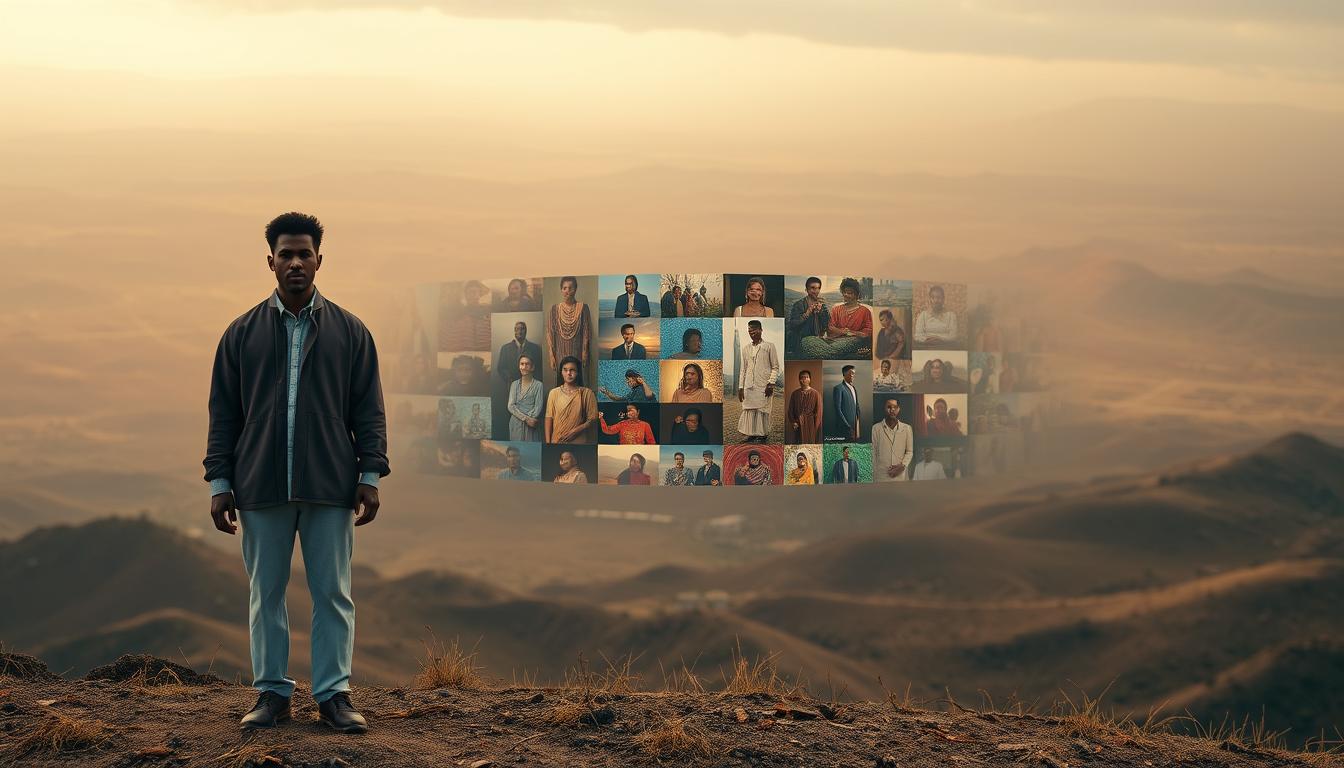
Gender expectations change a lot from culture to culture. They are influenced by history and what a society needs. In Sweden, parents get sixteen months of paid leave. Fathers must take two months, which challenges old roles.
In Chile, a 2010 UNDP study found 62% of people think women should focus on being mothers, not working. Japan has 50% women in the workforce today. Yet, unmarried women there face a lot of social pressure.
Mexico’s 2018 presidential election was a big step forward for women. Michelle Bachelet’s 2006 presidency in Chile also made progress. But, cultural differences in gender roles are big.
Hofstede’s research shows that cultures like Japan, with high-MAS values, stick to strict gender roles. On the other hand, low-MAS countries like Sweden push for equality. This shows how different cultures view gender roles.
Looking at gender expectations around the world helps us see how societies change. These norms affect everything from how kids are raised to job opportunities. They show how societies balance old traditions with new ideas.
Understanding Gender Roles: A Cultural Perspective
Cultural views on gender shape how we see male and female roles. These gender expectations start early. Kids as young as two start sorting toys and actions as “for boys” or “for girls,” studies show.
Social gender construct theories explain how families, schools, and media enforce these norms. For example, a girl choosing karate over ballet might be called a “tomboy.” This shows the penalties for not fitting in.

Gender roles vary worldwide. In Japan, strict roles are common due to high achievement values. But in Sweden, shared household roles are more common, reflecting lower MAS scores.
In the U.S., attitudes are changing. Now, 65% see gender roles as more flexible (Hyde, 2019). Boys are harshly ridiculed for not following traditional interests, unlike girls, as found by Coltrane and Adams (2008).
Education and language also influence gender roles. Countries with gender-neutral languages tend to be more equal (Haslam, 2000). Recent studies show 57% of Americans feel pressured to stick to traditional roles, with women facing more pressure (Kachel, 2016).
Yet, there’s a shift towards change. 78% of U.S. respondents support transgender youth rights, though acceptance varies globally (Elischberger, 2018).
“Gender is a prism through which societies organize life,” noted sociologists studying cross-cultural norms.
These dynamics show how culture shapes our beliefs. But they also highlight the growing space for redefining these boundaries.
Historical Context of Gender Roles in Different Cultures
Early human societies didn’t focus on strict gender roles. In the Paleolithic Era, men hunted and women gathered. Both tasks were essential for survival.
With the rise of agriculture, traditional gender norms became more defined. Men were linked to farming, and women to domestic duties. This change embedded roles in cultural frameworks.

Many cultures didn’t follow Western gender norms. The Arapesh of New Guinea valued cooperative parenting. The Buginese of Indonesia recognized five gender roles.
These examples show how gender roles have evolved. Even in the 19th century, the “New Woman” movement challenged Victorian norms. It was driven by industrialization and socialist ideas.
“Biological differences alone cannot explain why men dominate public spheres. Culture assigns these roles.”
Colonization disrupted many societies. Western imperialism imposed binary gender models. This erased third-gender identities like the Hawaiian māhū.
Yet, today, 28% of U.S. management roles are held by women. This is up from 17% in 2020. The gender history shows roles evolve with technology and social shifts.
Understanding this history is key. From nomadic equality to modern workplace reforms, societies redefine roles as needs change. By studying these patterns, we see that rigid traditional gender norms are choices, not destiny.
The Influence of Religion on Gender Roles
Religion shapes gender roles around the world. It sets expectations for leadership, family duties, and public roles. Many traditions use scripture to guide these roles, affecting everything from what people wear to their careers.

“Let a woman learn in silence with all submissiveness.” — 1 Timothy 2:11, New Testament
Abrahamic faiths like Christianity and Islam have traditionally seen men as leaders and women as caregivers. Jewish texts also suggest men should lead, but modern changes are pushing for equality. Hinduism, on the other hand, honors goddesses but often limits women’s roles in temples.
Indigenous cultures often challenge the idea of just two genders. They recognize third genders as spiritual leaders, like Samoan fa’afafine or Native American Two-Spirit individuals. These roles show how spiritual norms can be fluid and inclusive. Artist Yuki Kihara, a Samoan fa’afafine, combines tradition with modern art, showing how interpretations are evolving.
Today, there’s a growing debate about gender roles and religion. Some argue for equality by reinterpreting old texts, while others stick to traditional views. Even in Hinduism, some temples now ordain women as priests, changing long-held beliefs. These changes show a global move towards redefining gender roles within faith.
Gender Roles in Western Societies
Western gender expectations have changed a lot, but old and new ideas often clash. In America, a 2023 survey showed 43% think society underestimates men in roles like caregiving or teaching. This shows big political differences: Democrats are more open to flexible roles than Republicans.
In Europe, gender roles vary a lot. Countries like Sweden and Norway lead in gender equality, focusing on parental leave and fair workplaces. But Southern Europe sticks to old ways, showing cultural traditions.

“Gender is a social phenomenon, not a biological destiny,” argues sociologist Judith Lorber, highlighting how western society gender norms are shaped by societal values.
There are ongoing debates about these changes. While some celebrate milestones like women leading big companies, others say progress is slow in some areas. Scandinavian countries push for equal parental leave, but Southern Europe’s roles are stuck in old patterns.
In America, public opinions reflect the country’s politics: 68% of Democrats want more flexible roles, while 32% of Republicans do. These changes challenge old norms but face resistance in places that value tradition.
From fashion to policies, western society’s gender views are always changing. High heels, once a sign of male power, now show gender fluidity. This shows how norms, from workplaces to policies, are always evolving. As discussions go on, one thing is clear: gender roles in the West are diverse, showing both progress and the hold of tradition.
Gender Roles in Eastern Cultures
Eastern cultures have different views on gender, shaped by history and tradition. In East Asia, Confucian teachings once made men the leaders in public life and women the homemakers. But today, these views are changing.
In Japan, the ryōsai kenbo (good wife, wise mother) ideal is slowly fading. More women are going to work, thanks to higher education. This shift is happening across Eastern Europe, where over 85% of women work full-time.
In South Asia, like India, old systems like the caste system have mixed with gender roles. But, there are efforts to break free from old rules. In the Middle East, changes are happening too. Saudi Arabia has started to let women drive and work, showing a move towards equality.
These changes are part of a bigger story. They show how global ideas are meeting traditional views. Even in the Middle East, there are groups like the hijra of South Asia and Samoan fa’afafine who defy simple gender roles.
Education is playing a big role in these changes. More Eastern European women have master’s degrees than Western European women. This shows women are gaining power and influence. But, there are also challenges between old ways and new ideas.
It’s important to see the complexity of gender in Eastern cultures. From Japan’s corporate world to Bangladesh’s grassroots movements, these stories show that cultures are always changing. They are not fixed in time.
Intersectionality: Gender Roles and Other Identities
Gender identity factors shape experiences uniquely when combined with race, class, or culture. Intersectionality and gender means these identities overlap, creating distinct challenges. For instance, Black women in Brazil have long fought for visibility in both feminist and racial justice movements, balancing dual struggles. In Guatemala, indigenous women like Sonia Maribel Sontay Herrera face barriers in education and work due to stereotypes tied to their heritage and gender.
“We need to see each other as equals in the workplace, in the boardroom, and in the home.” — Patricia Arquette, 2015 Oscars
Research shows multiple identity influences affect perceptions. A 2021 study found Black female leaders in corporate roles faced fewer penalties for assertiveness than white women, yet they also encountered bias in media representation. Time magazine covers from 1980–2008 featured racial minority women on just 20% of issues highlighting diversity. Even in Norway, ranked second in global gender equality, stereotypes persist. While 70% of fathers took reserved parental leave, biases in STEM persist: white female grad students received fewer faculty replies than men, while Hispanic women saw higher response rates.
An intersectional gender analysis reveals how systemic barriers compound. During the pandemic, marginalized groups like trans youth and disabled girls faced heightened risks. Yet this crisis also offers a chance to reimagine equity. By addressing how race, class, and gender interlock, societies can design policies that reflect diverse realities. As Crenshaw’s framework shows, equality requires seeing people as whole individuals, not just single facets of identity.
The Role of Education in Shaping Gender Expectations
Schools play a big role in education and gender socialization. They shape how kids see their roles in society. From a young age, gender learning happens in the classroom. Teachers often separate boys and girls during activities.
This practice reinforces the idea of fixed roles, as Goldberg (2016) points out. It limits students’ chances to work together and explore interests without gender limits.
Studies show teachers treat boys and girls differently. Girls are praised more in arts, while boys get attention in math and science (Lynch, 2016). This subtle bias affects what subjects students choose to study.
By high school, fewer girls choose STEM fields because of educational gender influence. Textbooks and toys in classrooms often show gender stereotypes. For example, girls are shown as caregivers, and boys as leaders.
Schools can fight these stereotypes. Programs that mix cooperative learning and unbiased materials help. The UN says gender stereotypes in schools and gender expectations hold back students.
Training teachers to recognize biases and use inclusive curricula is key. When educators show equality, students learn to question norms. They start to see diverse roles, leading to a fairer future.
Media’s Portrayal of Gender Roles Across Cultures
Media around the world shapes how we see gender roles. From Bollywood to Hollywood, media often sticks to old norms. For example, women are shown as victims in 24% of news stories worldwide, says the Global Media Monitoring Project.
Even as we become more aware, old stereotypes linger. In Philippine TV ads, men are shown at work more than women. Women are often seen at home. Video games also show women in minor roles, notes the Geena Davis Institute. Ads that link women to alcohol can harm attitudes toward consent.
But change is on the horizon. In Papua New Guinea, the Use Your Voice campaign is making a difference. In Fiji, video projects are sharing diverse stories. When we watch shows with balanced gender or see men caring for families, we challenge old norms.
Learning to read media critically helps us spot stereotypes. By sharing new stories, media can change how we see the world. As people worldwide ask for real stories, media can help redefine what’s normal in every culture.
Future Trends: The Evolution of Gender Roles
Changing gender expectations are reshaping our world, moving towards more flexible norms. Young people are leading the way, pushing for equality. They believe that changing roles can make families and marriages stronger.
Studies show that 57% think evolving roles help families financially. And 43% believe they lead to stronger marriages. This shows a growing acceptance of different identities, from Indigenous societies to global art spaces.
Globalization brings new ideas, but local traditions stay strong. For example, the Khasi value women’s leadership, unlike the Masai. Modern movements blend old traditions with new ideas. This way, progress respects heritage while promoting equality.
Education and technology are key. Online platforms help voices for change reach more people. Studies show how culture affects work choices. For example, Norway’s gender-balanced roles are linked to low “motivation” scores, unlike Japan’s traditional norms.
As we move forward, choice is key. Whether in Indigenous communities or tech cities, we’re blending tradition and innovation. Our goal is a world where gender roles support dignity and opportunity for everyone.