







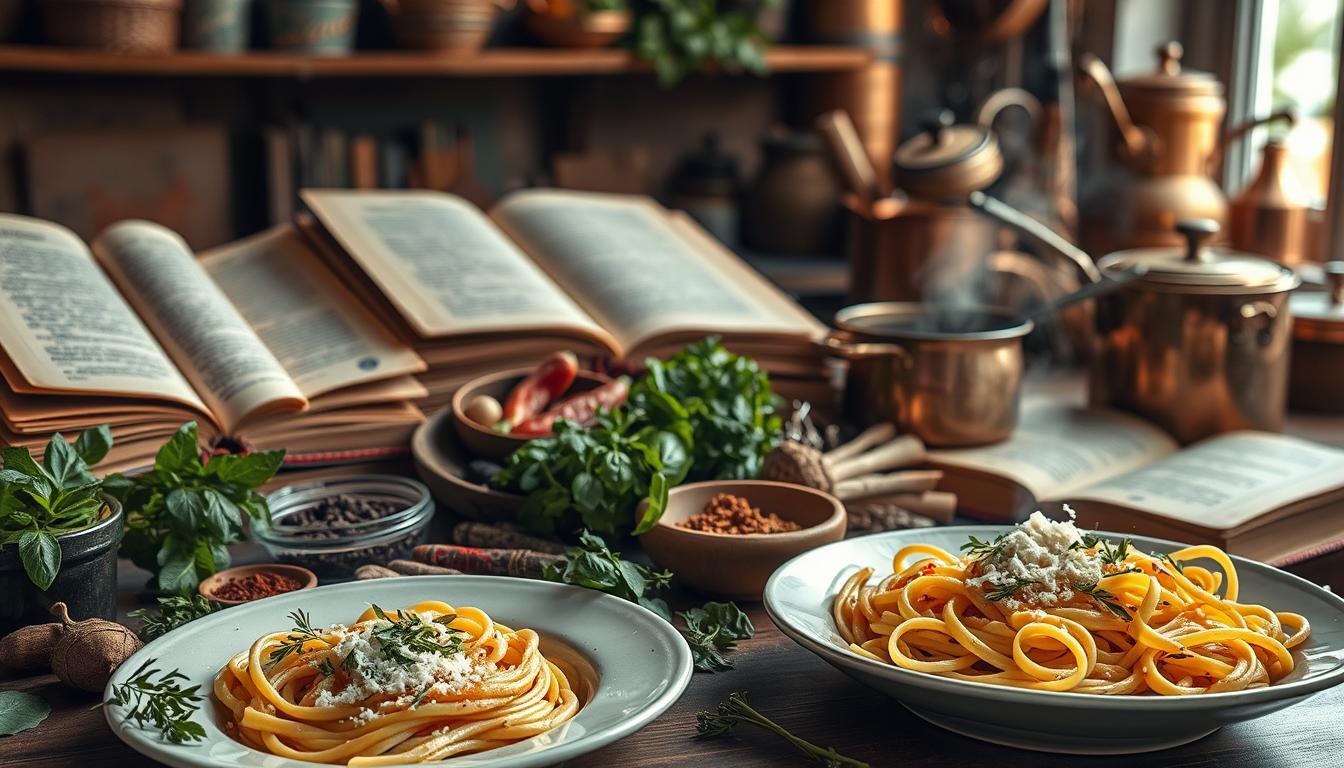
Every meal is more than just food—it’s a peek into cultural history. Stanley Tucci once said, “In the food of every country is the story of that country.” Traditional dishes help us connect with our heritage.
Family recipes and dishes that show migration and adaptation are key. Food carries the stories of our past. It’s a bridge to our roots.
Traditional recipes are more than just recipes; they are living histories. Over 75% of people see food as central to their cultural identity. And 60% say cooking ancestral dishes strengthens their connection to heritage.
Even global trends like Nikkei cuisine or Chicago-style pizza’s rise show how stories in food evolve. Yet, they keep their roots. Every bite, from Swiss chocolate to Puerto Rican Cocina Criolla, tells a story of migration, survival, and celebration.
At Whisk and Dine, we think every dish is a story waiting to be found. Discover how your favorite dishes connect to cultural traditions. And share your own culinary legacy.
The Connection Between Food and Culture
When I look at mofongo, I see creativity, ingenuity, and fusion. I see indigenous techniques and African ingredients. I see my history.
Food culture is key to how communities see themselves. Traditional foods are more than just taste; they tell our stories. For example, Japanese rice, though less consumed, is a big part of their culture.
The ban on imported rice in 1947 helped keep their culinary identity strong. Foods like mofongo and alkaan, a corn cake in Navajo rituals, share tales of survival and tradition.
In Cameroon, raw palm oil and yams are used in marriage customs, showing the connection between food and identity. Vancouver’s Little Italy celebrates traditions brought by 1930s immigrants. GrubHub’s study in 2013-2014 showed men prefer meat, while women choose salads, echoing historical trends.
Japan’s rice culture after World War II became a tradition. Even global foods like ramen show the impact of trade over centuries. Food is more than just what we eat; it’s a guide to our past and present.
Regional Cuisines and Their Origins
Regional food history reveals how landscapes and resources shape our diets. In England, fish and chips became a favorite with the arrival of steam trawlers. Valencia’s paella, with saffron and local rice, reflects its Mediterranean roots. These dishes are more than meals; they’re recipes born from land and labor.

In Northern India, curries and breads are common, while Southern regions favor coconut-infused rice. Mexico’s north is meat-heavy, while coastal areas highlight seafood. Filipino flavors blend Chinese, Spanish, and Malay traditions, showing how migration fuels local cuisine.
Southern U.S. dishes like collard greens trace back to African culinary practices. This shows how history flavors every bite. Traditional cooking methods, like fermentation in cold climates or spice-heavy dishes in tropical heat, reflect survival and creativity.
Even today, 80% of global cuisines rely on local ingredients. From cornmeal tortillas to Cajun crawfish boils, these techniques anchor cultures to their origins. Yet, fusion dishes like Tex-Mex or General Tso’s chicken show how traditions adapt while honoring the past.
Food as a Reflection of Heritage
Food is more than just something we eat. It connects us to our past. Dishes like cheese grits or mole poblano tell stories of strength and belonging. They carry the memories of our ancestors.
Think about the comfort of a grandmother’s stew or the joy of sharing family recipes. These meals remind us of our roots, even when we move or mix cultures.
Keeping culinary traditions alive is vital. It’s not just about remembering the past. It’s a way to keep communities connected. Vietnam’s pho and India’s biryani are examples of dishes that bring people together.
UNESCO has recognized Singapore’s hawker culture as part of its intangible heritage. This shows how much value these traditions hold globally. Over 65% of people worldwide say that heritage food boosts their cultural pride. Also, 55% of chefs now focus on traditional recipes in their kitchens.
For immigrants or families with mixed heritage, cooking ancestral dishes is a way to preserve their culture. A study found that 50% of younger generations want to learn these recipes. It helps bridge the gap between old and new generations.
Imagine a Puerto Rican family making arroz con gandules while sharing stories of their grandmothers. Or a Southern family debating the best okra recipe. These moments connect us to our heritage.
Heritage food is important, not just for sentimental reasons. It also has economic benefits. Businesses that focus on traditional dishes can see up to 30% more revenue. Yet, with 60% of street food vendors using methods passed down for centuries, there’s hope.
Every bite of grandma’s pie or a street cart’s empanada keeps history alive. What’s your family’s story? The next generation is counting on us to keep these flavors and the heritage they represent from disappearing.
Social Influences on Dietary Habits
Our food choices are influenced by the world around us. In Puerto Rico’s history, enslaved laborers ate calorie-dense foods like rice and yucca. This shows how socioeconomic diet factors affect our meals today. These social food influences shape what communities eat.

In Japan, white rice became a symbol of food class distinctions during the Fifteen Year War. It went from a luxury to a staple for the middle class. Now, Vancouver shows a similar change, with kids enjoying sushi and tamales. But, health issues like high-sodium diets and low fruit intake remain.
The World Health Organization says we need to tackle big issues, not just personal choices, for sustainable diets. Food reflects society’s values, from old plantations to today’s grocery stores. Knowing this helps us improve health and culture as traditions change.
Festivals and Food: A Cultural Showcase
In many cultures, festival food traditions are more than meals—they’re living bridges to heritage. Take Puerto Rico’s summer festivals, where piragueros roll through streets selling coconut shaved ice. Or cultural celebration dishes like salt cod stews and guava paste that fill markets. These foods aren’t just snacks; they’re anchors to identity.
At Lunar New Year, dumplings symbolize wealth. And ceremonial food meaning shines in Ramadan’s iftars, where dates break fasts as they have for centuries. UNESCO even protects dishes like Mexico’s mole, recognizing their role in preserving history. For diaspora communities, recreating these holiday cuisine significance dishes becomes a rebellion against cultural erosion. It’s a way to keep roots alive far from home.
Today, 70% of Americans link food to cultural identity. Festivals like New Orleans’ Mardi Gras king cake or India’s Diwali sweets gatherings turn kitchens into classrooms. These moments remind us: every ingredient choice, cooking method, and communal feast is a story waiting to be shared. They’re proof that food, when celebrated, becomes a universal language of belonging.
The Role of Food in Family Dynamics
The kitchen is more than a place for meals. It’s where family stories come alive. Family mealtime is key, making dinner a time for laughter, debates, and understanding. When everyone cooks together, bonds grow stronger.
A shared recipe can connect anyone, from kids to grandparents. It’s a special language that brings everyone closer.
“My abuela’s tamales were her way of saying, ‘You’re part of this story.’”

Small moments in the kitchen mean a lot. Like a teen learning to knead dough or siblings arguing over a secret soup ingredient. These moments, like making holiday dishes, keep families tied to their past.
These traditions are more than recipes. They’re about feeling like you belong. Studies show families who eat together feel closer. Cooking together teaches empathy and patience.
Imagine a child helping with dumplings, hearing stories of their parents’ youth. Or a grandparent teaching a niece to season rice, passing on values and flavors. Kitchens become classrooms where heritage is learned through cooking.
Food teaches us about our past and connects us to today. Every bite tells a story, linking generations.
The Impact of Globalization on Food
Globalization changes how we eat, mixing old traditions with new flavors. For example, pavochón is a turkey stuffed with Mofongo, blending Puerto Rican and American Thanksgiving dishes. This shows how migration and trade lead to creative dishes.
But, as Western diets become more common, local ways of eating face challenges. Fast-food chains like McDonald’s offer dishes like India’s Maharaja Mac and China’s rice bowls. This is a clear example of global food adaptation.
“Cultural diversity is a fragile treasure in the face of globalization.” — UNESCO, 2013
Fusion dishes are popular, but traditions might disappear. Sushi, once a special dish, is now common. Chefs and communities are working to keep old recipes alive.
But, mass production often uses non-local ingredients, losing the true taste of dishes. UNESCO fights to keep culinary traditions alive, pushing for a balance between new and old.
Food’s journey shows global issues, like avocado’s popularity in the U.S. and vanilla theft in Madagascar. The food globalization effects ask us to appreciate both new and old flavors. Every meal tells a story of our past and future.
Sustainability and Cultural Practices
Puerto Rican farmers are bringing back sustainable food traditions by growing kale and greens. They’re moving away from sugar cane monocultures. This effort supports cultural conservation practices that focus on soil health and local ecosystems.
They use ancient methods like fermentation and preserving seasonal ingredients. These practices are part of traditional sustainable cooking. They help keep heritage alive while caring for the environment.
In the Caribbean, environmental food wisdom guides farming. Techniques like intercropping and fish farming help prevent resource loss. These methods, often overlooked in industrial farming, reduce waste and respect ancestral knowledge.
Modern chefs mix these old ways with new needs. They create dishes that honor the past but also feed the future.
“Land doesn’t just grow food—it teaches us how to care for it,” says a Puerto Rican agroecologist restoring native seed banks.
But there are challenges. Global markets can push out small farmers, threatening traditions. Chefs like José Enrique of San Juan’s sustainable food traditions project work with elders. They document forgotten recipes to keep cultural conservation practices alive.
Their work shows that saving heritage can also fight climate issues like soil erosion.
By embracing traditional sustainable cooking, communities worldwide show that caring for the environment and cultural pride are connected. Reviving these practices is not just about looking back. It’s a plan for a greener, fairer food system.
Food Narratives in Literature and Media
Food in literature and media connects past and present. Toni Morrison’s Beloved uses collard greens to symbolize Black resilience. Like Water for Chocolate turns recipes into emotional backdrops. These stories show how food storytelling impact shapes cultural identity, turning dishes into vessels of history.
Culinary media representation today includes Netflix’s Milion Pound Menu and FoodNetwork Kitchen’s digital classes. Shows like Search for General Tso reveal tensions. They show how global platforms spread awareness but sometimes distort origins.
A grandmother’s handwritten cookbook preserves family recipes. This contrasts with fast-food adaptations of pho or tacos. It highlights the gap between cultural cuisine documentation and commercial trends.
Food storytelling impact also sparks debates. Korean kimchi-making rituals or Mexican tortilla traditions, shared through memoirs or YouTube, keep heritage alive. But when media reduces sushi to a California roll, it risks erasing roots. Audiences must ask: does this dish honor its origins or just market a trend?
Challenges in Maintaining Culinary Identity
Making a Puerto Rican *alcapurrias* or pasteles today shows the challenges of keeping cultural food alive. Using new ingredients in old recipes is a big part of this. It’s a mix of keeping traditions alive and making them fit today’s world.

Migration has always changed how we cook. Italian immigrants in the 1900s made pasta with U.S. ingredients, gaining fame. But Chinese food has faced stereotypes that last to this day. This shows how different cuisines are seen differently.
Even in small kitchens, traditions evolve. Second-generation Americans often change family recipes. Over 56% of students in one study said they struggled to find real ingredients. But, efforts like Thai gastrodiplomacy show a push to keep culinary traditions alive.
Today, we face new challenges like busy lives and industrial farming. Young people might choose fast food over making traditional meals. Labeling systems, like “Idaho Potatoes,” also limit who can use certain ingredients. These systems affect who can keep cultural food traditions alive.
Keeping culinary heritage alive is more than just remembering the past. It’s about honoring our history and letting traditions evolve. As we mix old and new in our kitchens, our goal is clear: keep the stories of our cultures alive with every meal.
Gender Roles and Food Preparation
From childhood kitchen memories to professional kitchens, gender cooking traditions have shaped who cooks. In my Syrian heritage, women taught daughters to bake and prepare holiday dishes. This defined culinary gender responsibilities, with women cooking at home and men in professional roles.
Today, we see a change in the kitchen. In 2008, 81.5% of U.S. head chefs were men. By 2023, women made up only 23.3% of these roles. At home, more fathers are helping with meal prep, changing traditional tasks.
These changes are important for keeping cultural recipes alive. When grandmothers taught only daughters, recipes stayed within female circles. Now, with both genders learning, recipes evolve while staying true to their heritage. My son now bakes the Syrian bread I learned as a child, showing how traditions adapt.
Future Trends in Cultural Gastronomy
Cooks around the world are mixing old traditions with new tastes. They’re making lighter versions of classic dishes. For example, a chef’s chayote salad or steamed bao buns with ahi-li-mojili sauce show this blend.
Technology is helping this change. Apps and social media share cooking tips, from fermentation to using heirloom grains. This lets young chefs create dishes that honor their roots but feel new.
Local foods and caring for the planet are key. Over 70% of shoppers prefer local foods, helping small farms and the environment. Food festivals, up 40% in five years, celebrate this shift, making cultural dishes shared experiences.
These changes promise a future where food connects us to our past but stays fresh. By embracing these trends, cultural gastronomy keeps meals a bridge between generations. The table of tomorrow will mix old and new, showing that honoring heritage doesn’t mean staying stuck in the past.