







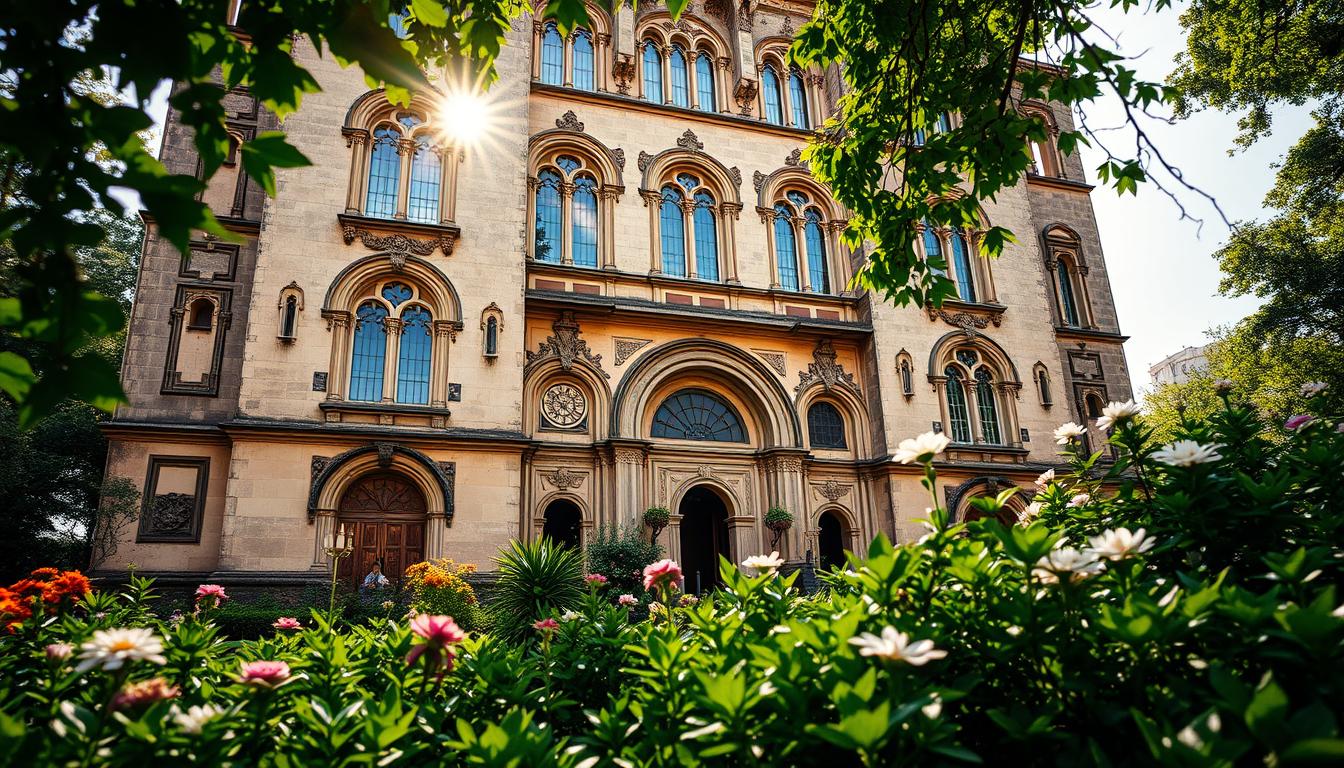
Buildings shape the soul of communities, acting as silent storytellers that connect past and present. The cultural impact of architecture goes beyond just bricks and mortar. For example, Norwalk’s 84-acre South Norwalk train station district was added to the National Register of Historic Places in 2021. It shows how buildings as cultural symbols anchor identity.
Thanks to the National Historic Preservation Act of 1966, these treasures are protected. They are recognized for their architectural significance in defining our shared heritage.
Pre-World War II buildings are crafted with time-tested materials and methods, ensuring durability. These structures are not just relics; they drive economic growth. Revitalized historic sites can attract businesses and tourists, boosting local economies by up to 30%.
Norwalk’s Citywide Plan uses incentives like reduced parking rules to encourage preservation. It balances modern needs with history.
Every building has a story of community values. From Portland’s energy-saving retrofits to the National Trust’s “Older, Stronger, Better” findings, architecture shows how societies evolve. These spaces foster belonging, host cultural events, and even influence mental well-being through their familiar, comforting presence.
By preserving them, we protect not just structures, but the essence of who we are.
Understanding Architecture as a Cultural Legacy
Architecture connects the past to the present. Each historic building tells a story of its creators’ beliefs and innovations. These structures shape how communities view themselves and their place in the world.
The Palace of Westminster in London is a prime example. Its Gothic Revival spires reflect British parliamentary history.
Historical buildings are more than just pretty sights. The Louvre Abu Dhabi’s dome is inspired by Arabic latticework, blending old and new. Shenzhen’s Vanke Center uses Chinese garden principles, showing how culture lives on through design.
Keeping these buildings alive has economic and social benefits. The Taj Mahal, for example, attracts millions, boosting local economies. But, challenges like climate change and funding issues need creative solutions.
Now, 3D scanning helps experts restore buildings with precision. This mix of old and new tech is a step forward.
Communities grow when they help preserve their architectural heritage. Public involvement ensures projects honor local traditions while meeting today’s needs. This balance lets future generations learn from the past’s creativity and skill.
The Historical Significance of Architectural Styles
Old buildings are more than just old things. Historical building styles like Egyptian pyramids or Gothic cathedrals share stories of the past. They show how people lived, worked, and worshipped.
From ancient stone temples to modern glass skyscrapers, architecture has evolved. It shows how human needs and creativity have shaped our world. Each era left its mark, like Roman arches, Renaissance symmetry, or Art Deco’s sleek lines.
Materials used in buildings tell a story too. Ancient Greeks used marble for temples, while Victorians used iron and glass. These choices reflect available resources and societal values.
Gothic cathedrals, with their towering spires and stained glass, were more than places of worship. They symbolized faith and technical mastery. Even today, buildings like Frank Lloyd Wright’s Fallingwater show how nature and design can blend.
Preserving these styles is important because they connect us to the past. The curves of Art Nouveau or the bold shapes of Brutalist structures remind us of cultural shifts. By studying these historical building styles, we see how innovation and tradition shape our built environment. Every arch, column, and window is a clue to the stories we’ve yet to fully uncover.
Architecture Reflects Societal Values
Buildings tell stories of the communities that create them. They range from grand halls to simple homes. Architecture and social values are deeply connected. A tall building might show ambition, while a village square emphasizes community.
The High Streets project in London is a great example. It spent £103M to improve 67 areas, creating 700 jobs. This shows a society that values both its past and future.
Materials in buildings also speak volumes. Stone can mean lasting strength, while glass represents openness. These choices reflect what a society holds dear.
Modern buildings reflect our current worries. They often include green walls to reduce stress and solar panels to save energy. Inclusive designs, like ramps, show a commitment to fairness. These elements are not just random; they show buildings reflecting society’s changing values.
When you see a building, think about what it says about us. Every detail, from energy-saving features to community spaces, tells a story. It shows the values that shape our world.
Iconic Structures That Define a City
From ancient wonders to modern marvels, famous architectural landmarks shape how the world sees a city. These iconic buildings are more than structures—they’re symbols of heritage, innovation, and identity. The Hagia Sophia in Istanbul, built in 537 AD, is a perfect example. Its massive dome and centuries of history make it a timeless city-defining structure.
The Sydney Opera House’s sail-like design instantly evokes Australia’s cultural spirit. It shows how buildings can capture a city’s essence.
Norwalk, Connecticut, shows the importance of preservation. In 2021, its historic South Norwalk district was added to the National Register of Historic Places. By preserving its historic structures, the area balances growth with its unique character. This proves even smaller cities can thrive through architectural legacy.

Iconic architectural landmarks also boost economies. The Empire State Building, once the world’s tallest, now draws millions annually. Its city-defining silhouette became New York’s symbol of ambition.
Prague’s Dancing House, inspired by Fred and Ginger’s dance, redefined the city’s skyline in the 1990s. These structures aren’t just bricks and mortar—they’re stories. They remind us that a building’s true power lies in how it connects people to place, making every city’s identity unforgettable.
Sustainable Architecture and Cultural Heritage
Keeping sustainable historic buildings alive is more than just keeping things pretty. It’s a smart move for environmental preservation. France has 2,700 sites listed as heritage and 4,000 more registered, covering 4% of its land. This shows that old and new can live together.
In China, the Dai and Hani villages are fighting to keep their ancient wooden homes. These homes are smart for the climate, unlike today’s energy-wasting buildings. They use natural materials and designs that work with the weather.
In Japan, Shirakawa-go village is a great example. Its homes, with thick thatched roofs, share resources and are now upgraded with solar panels. This shows that old buildings can be made new again, saving energy and resources.
Architects around the world are trying to mix old and new. But 55% find it hard. On the other hand, 80% say old buildings inspire them. Places like New Zealand’s Tongariro National Park show how to keep history and nature together.
By caring for green architecture heritage, we protect both our past and the planet. As one architect said,
“The future lies in learning from the past—not erasing it.”
Architectural Preservation: A Balancing Act
Keeping historic buildings alive is a delicate dance. Historic building conservation policies today offer grants, tax credits, and flexible zoning. This helps ease the financial load. Programs like Connecticut’s Historic Homes Rehabilitation Tax Credit and municipal grants help with costs.
Updated zoning rules also reward owners who keep up with heritage conservation policy standards. This way, both old and new can coexist.

Funding issues often lead to preservation hurdles. Maintenance costs and property value changes make upkeep tough. But, studies show restored areas can see property values rise by 10–15%.
This boost helps local economies. Heritage conservation policy now uses tools like HBIM and thermal analysis. HBIM digitizes building data for smarter repairs. Thermal analysis cuts energy use.
Technology is key to innovation. Digital twins track building health in real time. 3D scans document details for restoration. These tools make historic building conservation more affordable.
For example, the Michigan State Capitol uses these methods to protect its 19th-century paintings. This ensures they stay safe from environmental damage.
“Preservation challenges demand creativity to honor the past without stifling progress,” says a National Trust for Historic Preservation report. Community involvement also plays a role—volunteer programs boost engagement, with 30% more participation in areas with active preservation projects.
New policies link preservation to sustainability. Tax incentives and grants now focus on energy-efficient retrofits. This cuts operational costs by 20–30%.
By blending tradition with technology, cities show that heritage conservation policy can grow with progress.
Global Architectural Trends and Their Origins
Today’s global building trends mix international architectural influences with local roots. The Tianzi Hotel in China looks like mythical gods. Moscow’s homes are inspired by Fabergé, showing how new designs blend tradition and innovation.
In Norway, the Cathedral of Northern Lights and in Mexico, the Zicatela holiday home, show architects’ creativity. The Sagrada Familia’s Gothic style and Fallingwater’s natural blend highlight sustainable evolution. Modern trends like modular construction and IoT focus on efficiency, yet respect cultural ties.
Architects now merge global building trends with local identity. They use materials like self-healing concrete to honor heritage and eco-friendliness. This approach keeps architecture a bridge between cultures, not a single style.
The Role of Architects in Cultural Identity
Architects are the hidden storytellers of our world. With only 121,997 licensed in the U.S., their impact is huge. They don’t just draw plans; they create spaces that tell history through walls and windows.
Over 75% of architects focus on cultural storytelling. They use design to bring communities closer. From New Orleans shotgun houses to Seattle’s Space Needle, their work connects places to people.

Design and national identity blend in projects like the Guggenheim Museum’s Bilbao effect. Buildings become cultural symbols. Modern architects work with local communities, using 60% of traditional materials like adobe or cedar.
“A building’s soul lies in its roots,” says a Skidmore, Owings & Merrill principle. They mix modernity with heritage.
65% of firms now focus on cultural authenticity. Architects at Denver’s National Western Center added Indigenous motifs to honor Cheyenne and Arapaho histories. This shows 90% of respondents see architecture as a cultural bridge.
But, there are challenges. Minority voices are underrepresented, risking narrow views. As cities like Miami or Houston grow, architects must tell diverse stories through their work.
Architecture and Its Impact on Mental Health
Spaces affect how we feel. Modern architecture psychology shows a strong link between buildings and wellbeing. A school with big windows or a hospital garden can calm us down.
Research shows natural elements like plants and water features reduce stress. For example, outdoor spaces in healthcare settings help patients recover faster. This proves the importance of mental health design in healing.
Offices with bad acoustics can frustrate us, while quiet libraries help us focus. Biophilic design, using wood, green walls, or water sounds, lowers anxiety. Even small changes, like adding plants to a classroom, can improve concentration.
Studies show green spaces boost thinking. Cultural sites like historic temples or museums often have high restorative value, as seen in global surveys.
Design choices influence our behavior. Open offices may foster teamwork but can overwhelm some. Private workspaces, like cozy reading corners, offer a balance. Schools and homes need spaces that meet individual needs.
Architects today use data from heart rate studies and stress tests to create supportive environments. Their goal is to create spaces that uplift, not just shelter.
The Future of Architecture as Cultural Legacy
Architecture’s next chapter will mix old traditions with new future architectural trends. This will change how cultures keep and grow. Mitchell said architecture comes from math and history, now blending with innovative building design to tackle climate change and city growth.
Imagine homes made by 3D printing using recycled stuff or buildings with solar panels that adjust to the weather. These contemporary cultural expression projects are already changing what we think of as sustainable. For example, Vietnam’s Heritage and Cultural Centre uses bamboo and adobe for green, culturally meaningful spaces.

Technology is more than just steel and glass—it connects us to our past. Virtual reality helps architects design like ancient times, and AI makes old buildings more energy-efficient. The Jewish Museum Berlin, with its broken design, shows how modern buildings can tell old stories.
Hubbard said we can keep tradition alive with technology. Solar panels on old sites or turning old warehouses into art spaces show we can innovate without losing history.
Now, communities are key in design. People get to say what they want in buildings, using local materials. The National Museum of African American History in DC uses bronze panels inspired by old neighborhoods. This shows cultural identity can grow in new designs.
Architects are working to make buildings that are strong, fair, and beautiful. They’re creating legacies that future people will admire, learn from, and build on.
Education and Awareness in Architecture
Programs like Cincinnati’s Design LAB and C.A.M.P. change how kids see buildings. They learn to solve problems and work together. Students design places like schools or old buildings.
“Design LAB helps you think critically,” said a student. This skill helps them face real-world challenges.
When people know the history of public buildings, they appreciate them more. In Turkey, a program teaches about conservation. Students learn to identify UNESCO sites like Troy or Lorsch Abbey.
This shows how learning about the built environment boosts cultural understanding.
Education is the best tool for protecting cultural assets.
Hands-on projects like restoring salt works in Salins-les-Bains or building the Visitor Center in Al Ula connect theory with practice. By teaching heritage in schools and training experts, we protect sites like Kinderijk’s windmills or Agia Sophia.
Let’s support these programs. They turn curiosity into action. Every building has a story worth sharing.
Celebrating Architectural Achievements
World Architecture Day on the first Monday of October celebrates the creativity behind our favorite structures. Architectural awards like the Pritzker Prize highlight designs that mix innovation with cultural importance. These awards make landmarks famous, encouraging people to visit places like the National Museum of African American History and Culture.
Such projects link old traditions with new ideas, showing the power of celebrating building design.
Architectural tourism boosts local economies by attracting visitors to historic sites. Old buildings turned into shops or restaurants bring life back to neighborhoods. Cities like Charleston, South Carolina, grow thanks to architectural tourism, showing how preservation helps businesses.
These sites inspire both designers and travelers.
“A well-designed space can spark joy and curiosity,” says the American Institute of Architects, highlighting architecture’s ability to engage communities.
Now, virtual tours and social media share architectural wonders worldwide. By exploring local historic areas or following award-winning designs, anyone can celebrate the creativity in our built world. Every building, from a restored theater to a modern library, has a story worth exploring.
Conclusion: Buildings as Living Stories
Every building tells a story of its time, people, and purpose. Architectural storytelling changes how we see the world. From Hong Kong’s Tai Kwun to New York’s High Line, these stories connect past, present, and future.
As Mitchell said, “Slow your eye down and see what matters.” Noticing details like a restored facade or a community park’s design helps us connect with architecture. This connection enriches our daily lives.
Heritage sites like Germany’s Zollverein Park show that preserving history can bring new life. A Hong Kong study found that revitalized spaces like Mei Ho House boost cultural pride. Even modern projects, like Medellín’s public spaces, reduce crime and strengthen community bonds.
These stories show that architecture is not static. It evolves with our interactions. Sharing a building’s history through tours or workshops is key to keeping cultural identity alive.
Architects and urban planners create this legacy every day. Over 70% of architects believe design choices boost community spirit. Projects like Singapore’s Chinatown and Italy’s Mas di Sabe barn show how old structures adapt to modern needs.
The High Line’s 8 million visitors and a 20% property value rise show good design benefits culture and economics. Small acts, like visiting historic districts or advocating for preservation, protect these stories for the future.
As cities grow, it’s important to balance progress with preserving heritage. The 40% success boost from community input in projects like Zollverein shows collaboration’s power. Eco-friendly materials and smart tech can reduce carbon footprints by 50%, showing sustainability and storytelling can go hand in hand.
Every building has a chapter in humanity’s story. So, walk through your city with curiosity. Your engagement turns buildings into living, breathing histories waiting to be shared.