




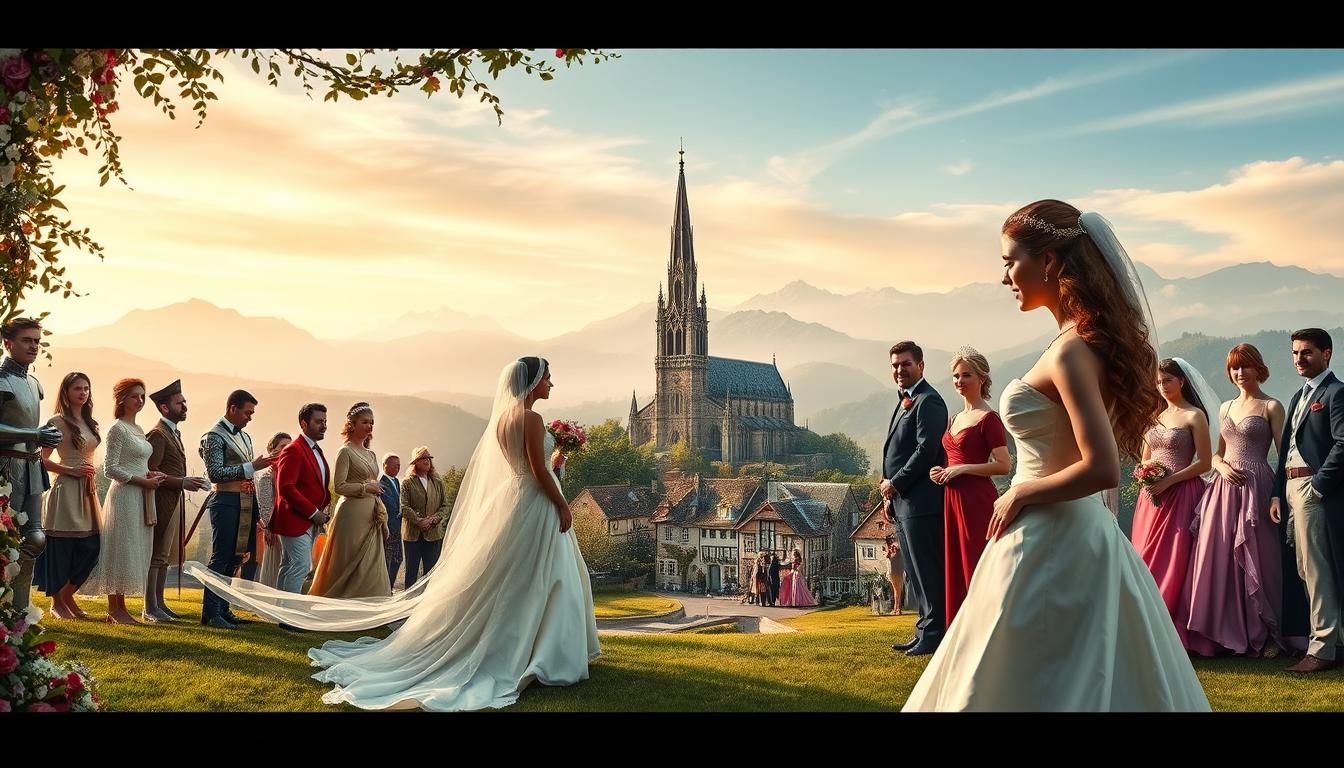
Wedding traditions have shaped human relationships for thousands of years. The earliest recorded practices date back to 2350 B.C. These customs reflect cultural values and social changes over time. From ancient rituals to today’s personalized ceremonies, traditions evolve while keeping their core meanings.
The first diamond engagement ring, given by Prince Maximillian to Mary of Burgundy in 1477, symbolizes enduring love. It remains a timeless symbol of love.
June weddings, once tied to Roman goddess Juno, are now less popular. September and October are gaining favor. Queen Victoria’s 1840 white gown changed wedding attire, influencing 70% of Western brides by the 1900s.
Today, 35% of couples choose non-traditional ceremonies. This is a big increase from past decades.
Modern weddings now use technology: live streams surged 300% post-2020, and 60% of couples share details via social media. From Roman wheat-crumb cakes to modern croquembouche towers, each era leaves its mark. This journey shows how customs balance history and innovation, making each wedding a unique mix of old and new.
A Historical Perspective on Wedding Customs
Thousands of years ago, ancient marriage customs started as social agreements. In Mesopotamia, around 2354 BCE, the Nuzi tablets outlined what couples owed each other. These early historical wedding practices focused on family and politics, not love. Rulers used marriages to strengthen their power.
Jewish traditions show how traditional marriage ceremonies have lasted. The ketubah, created in the 1st century CE, changed from a legal document to a symbol of equality. The wedding history timeline shows how symbols have changed over time.
In ancient Rome, couples exchanged rings as early as 200 CE. In Sparta, the “best men” were originally warriors. By the Middle Ages, brides carried bouquets of herbs like garlic to keep evil away. Later, flowers replaced these herbs.
“Ani L’Dodi V’L’Dodi Li”
From ancient contracts to Roman rings, love’s meaning has grown. Today, 95% of people wear wedding bands on the “ring finger,” a tradition from Egypt. The “something blue” in veils comes from ancient Israel, where blue threads meant loyalty.
Every part of modern weddings, from bouquets to rings, connects to these ancient marriage customs. They bring history into today’s celebrations.
The Influence of Religion on Weddings
Religious wedding traditions started in the 5th century. The church began making marriage laws after Rome fell. By 1215, the Catholic Church made marriage a sacrament, making unions sacred.
By the 16th century, public church weddings were required. This change marked a shift from ancient Roman civil agreements to sacred ceremonies. It solidified the church’s role in defining marital obligations.

Jewish, Islamic, and Hindu traditions also have unique sacred marriage customs. Jewish ketubah contracts and Islamic nikah ceremonies show how faith guides rituals. The Catholic Church’s view that marriage is indissoluble shapes modern practices.
Even today, mixed-faith couples need dispensations. This shows the church’s ongoing influence.
In the UK, 2007 reforms to Church of England weddings show the church’s evolving role. Couples no longer had to live in their parish to wed there. Now, weddings can happen elsewhere if there are ties like baptism or residency.
These changes balance tradition with modern needs while keeping faith-based principles. They show the church’s ongoing influence.
From Roman times to today, religion’s mark is clear. Interfaith ceremonies blend sacred elements, honoring diverse beliefs. Even as practices change, the core idea remains: marriage as a bond sanctified by faith.
Whether in a Catholic Mass or a Jewish chuppah, these rituals affirm love’s spiritual significance. They show love’s enduring spiritual importance.
The Evolution of Wedding Attire
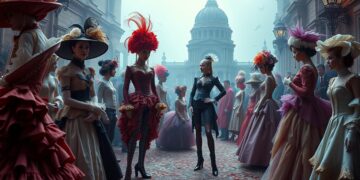
Wedding dress history shows how styles have changed with society. Before Queen Victoria’s 1840 ivory satin gown, brides wore many colors and valued fabric quality. In ancient China, brides wore black robes with red trim, showing status.
In the 1920s, historical wedding fashion became slimmer, reflecting women’s growing independence. Later, Christian Dior’s 1947 “New Look” brought back elegance. Now, brides mix old and new, like pairing silk saris with Western veils.
Today, wedding clothes are all about personal style. Sites like Stilwhite and Etsy offer unique options. People choose everything from blush-pink gowns to suits. The trend towards renting or vintage clothes shows fashion’s ability to evolve while staying beautiful.
Pre-Wedding Rituals Through Time
Looking back, engagement traditions show how courtship once focused on practicality over romance. In the past, families would negotiate dowries and property deals to secure matches. Even back then, engagement rings were a symbol of commitment, long before diamonds became popular.
In the 20th century, things changed. Cars and dance halls gave couples more privacy, making choices more personal. Today, we see modern touches in pre-wedding events like bridal showers and rehearsal dinners. Yet, traditions like Japan’s yuino gift exchanges and South Africa’s lobola negotiations continue to honor their roots.
Even ancient rituals like the bridal veil have survived. Originally meant to confuse evil spirits, it now adds beauty to weddings. Bridesmaids once wore the same outfits for safety, but now it’s often for style. These traditions remind us of the stories behind every wedding custom.
The Wedding Ceremony: Then and Now
Historical wedding ceremonies were once about personal commitment, not legal rules. In ancient Rome, couples just needed to agree. This changed in 1754 when England made marriage licenses necessary.
Today, changing marriage customs show a move towards more structure. Yet, old traditions live on. For example, early 19th-century weddings, like Catherine M. Noble Davidson’s in 1840, were simple yet community-focused. Now, weddings often have fancy venues and vows that are truly personal.
Old rituals like Roman “handfasting” and Jewish breaking of the glass are seen today. Queen Victoria’s white wedding dress in 1840 started a trend that now makes billions. Brides used to wear practical clothes, but now they spend thousands on gowns.
Vows have also changed, from medieval promises of obedience to today’s vows of mutual respect. Cultural diversity remains strong: Armenian brides break plates, and Indian ceremonies like mehendi and Southern India’s seven-step ritual celebrate ancient traditions.
Today, couples can mix traditions, like Jewish hora dances or DIY vows. This makes each wedding as unique as the couple.
The Reception: A Celebration’s Journey
The history of wedding receptions goes back thousands of years. It has changed from big community meals to today’s more personal events. In the past, nobles threw big feasts to show off their wealth, while common people had simpler meals. Now, these feasts have turned into unique gatherings that mix old traditions with new ideas.

Old wedding celebrations used special foods like spiced buns in medieval England. Queen Victoria’s famous tiered cakes also played a big role. Today, 80% of couples keep some old traditions, like toasts, but also add new things like interactive food stations. The roles in wedding parties have also changed, showing off different cultures and personal stories.
Today’s receptions mix old traditions with new ideas. The cost of a reception can be from $79 to $129 per guest. This affects how many guests come and where the wedding is held, from barns to city rooftops. People are also choosing eco-friendly options, like using flower petals instead of rice, and adding modern tech, like live photo booths.
From small village gatherings to big, personal events, the reception connects the past with today. Every little detail, from the cake to the music, tells a story of both tradition and change.
The Role of Technology in Weddings
Technology has changed how we celebrate love in weddings. Now, couples use tools like digital wedding trends to plan every detail. For example, AllSeated helps with seating charts, and The Knot makes finding vendors easy.
More than 70% of brides use apps like Our Wedding Planner. This app helps manage tasks that were once done with pen and paper.
“Technology isn’t replacing tradition—it’s making it possible to share joy beyond the venue.”
Drones capture stunning aerial views of weddings. This is part of the technological impact on weddings that focuses on telling stories in a new way. With cinematic techniques, couples can relive their special day through films that feel like movies.
Platforms like Wanderable and Airbnb are changing where weddings take place. They mix adventure with tradition, creating unique experiences.
Live-streaming lets everyone join in, with 30% of weddings now online. And with 5G networks, planning apps work faster, reducing stress. These modern wedding innovations make weddings more personal and inclusive, honoring both tradition and progress.
Innovations in Wedding Décor
Wedding decoration history shows a big change from old traditions to new, personal touches. Symbols like wheat sheaves or candlelit altars have inspired modern, eco-friendly choices. For instance, rice, once a symbol of fertility, is now replaced by flower petals or biodegradable seed packets. This change shows our focus on being green today.

Today, weddings mix old traditions with new ideas. Money dances, once a medieval ritual, now use digital ways for guests to give. Flower girls, who once carried wheat, now scatter rose petals or release butterflies for a greener option. Even the bouquet toss, once to keep evil away, now celebrates everyone’s role.
Now, 70% of couples think about the environment when planning their wedding. They use LED lights, which are like candles but don’t waste anything. The wedding market, worth over $300 billion, is growing with eco-friendly choices. Trends like renting old items or using local flowers show this change.
Technology also brings new ideas to weddings. Projection mapping and programmable lights make venues look amazing. These changes keep traditions alive but also meet today’s values. From simple to global styles, today’s decor tells unique stories. It shows that we honor the past while looking forward.
The Place of Family in Wedding Traditions
Family customs in marriage have shaped weddings for centuries. In the past, fathers legally gave their daughters to husbands. Mothers, on the other hand, kept traditions alive, like making wheat cakes for fertility. Today, couples mix old traditions with new ideas.
Historically, some families were left out, like enslaved people who couldn’t legally marry. Now, weddings include everyone: stepfamilies walk together, and couples from different cultures blend their traditions. A 2023 survey found 45% of couples now share roles with both sets of parents, breaking old norms.
“The aisle walk now symbolizes unity, not hierarchy,” says wedding planner Emily Carter, noting how grooms join brides during entrances.
Today’s weddings honor heritage but also change roles. Grandmothers might say vows, and siblings perform cultural dances. The Victorian veil, once a sign of obedience, now decorates many family members in mixed-tradition weddings. Even the ring bearer role, once a Victorian pageant, now includes cousins or stepchildren.
From arranged marriages to vows made together, family’s role is changing but remains key. Whether it’s adapting old customs or starting new ones, weddings today celebrate families as living, evolving legacies.
Celebrating Love: Non-Traditional Weddings
Love has always found ways to break boundaries. From the 13th-century Mediterranean “spiritual brotherhoods” to today’s eco-friendly ceremonies, marriage customs have evolved. These non-traditional weddings often mix old traditions with new values.
“It is difficult to believe that these rituals did not contemplate erotic contact.” — Eric Berkowitz, Sex and Punishment
Today, couples blend global traditions in their weddings. For example, a Hindu-Muslim ceremony in India might include both haldi and mehndi rituals and Islamic prayers. In Sweden, guests playfully kiss the groom, adding a fun twist to customs.

Now, weddings come in many forms, like outdoor eco-weddings and zero-waste celebrations. The Nigerian money dance, where guests pin cash to the couple, combines cultural pride with practicality. Japan’s San-san-kudo sake-sharing ritual also gets a modern twist for LGBTQ+ couples.
Today’s weddings focus on personal values over strict rules. From Gen Z’s minimalist micro-weddings to interfaith unions, these customs show love in many ways. As Berkowitz said, love’s expression has always been diverse, and now more voices are joining the celebration.
The Future of Wedding Traditions
Future wedding trends mix old and new in exciting ways. Things like augmented reality and blockchain certificates are changing how we celebrate. Couples are blending traditions from different cultures, making their ceremonies truly unique.
The average bride is now over 28, up from 20 in 1955. This shows how personal choices are becoming more important than old rules.
Today’s weddings focus more on being inclusive and green. Digital invites and local decor help the planet. Social media, like Instagram, also helps couples mix traditions from around the world.
With same-sex marriage legal in 2015, weddings now welcome all kinds of families. Even after the pandemic, weddings are getting smaller but just as special. They balance being close with being part of a community.
Even as wedding styles change, the core of the celebration stays the same. We’re seeing weddings that use new tech like blockchain, alongside old traditions. This mix keeps weddings fresh and meaningful, always focusing on love and togetherness.