




Mary Doefour lived in institutions under a false name for decades. She was found beaten and pregnant in 1928. For 50 years, no one claimed her. It wasn’t until 1978, after her death, that reporter Rick Baker found clues linking her to Iowa teacher Anna Myrle Sizer.
Her story shows how hidden lives can be erased from history. It’s not just in comics. Batman’s Bruce Wayne and Superman’s Clark Kent are examples of dual lives we admire.
Real-life figures like Banksy, the elusive street artist, and Thomas Pynchon, who avoids photos, also live hidden lives. Even the “Unknown Woman of the Seine,” whose face inspired CPR training, remains a mystery.
Why do people hide? It could be for survival, privacy, or societal pressures. From the Comte de Saint-Germain’s 18th-century enigmas to Tank Man’s Tiananmen protest defiance, hidden identities shape culture. This article will explore famous figures with secret identities, everyday people living double lives, and those erased by history. It reveals truths we can’t ignore.
The Allure of Secret Identities Throughout History
Secret identities have always caught our attention. Rulers and activists have used them to hide their true intentions. These hidden lives have greatly influenced history.
People hid their identities for many reasons. Some did it to avoid persecution or to keep their power. Others lived double lives to survive in tough times.
“The growing good of the world is partly dependent on unhistoric acts: and that things are not so ill with you and me as they might have been, is half owing to the number who lived faithfully a hidden life, and rest in unvisited tombs.”
Living a secret life is complex. It takes mental strength but also risks. People used secrecy as a way to protect themselves.
Even today, stories of secret lives amaze us. They show the struggle between keeping secrets and leaving a mark on history.
Many people who lived in secret made a big difference. Their actions, whether against tyranny or for innovation, changed the world. This shows that even those who are not well-known can have a big impact.
Artists Who Created Under Pseudonyms
History is filled with famous writers with pseudonyms and artists with secret identities. Mary Ann Evans became George Eliot to overcome gender barriers. Stephen King used Richard Bachman to test his books’ success without high expectations.
When people found out it was King, Thinner became a huge hit. This shows how secret identities can boost creativity.

Banksy, a anonymous creator, has millions of fans but remains unknown. His Black Lives Matter T-shirt went from £25 to $4,000, proving the allure of mystery. Martin Margiela, a fashion designer, never gave interviews but built a strong brand using his last name.
His Paris exhibition showed 20+ works, proving that being unknown can enhance creativity. This way, artists can focus on their work, not their fame.
Musicians also used pseudonyms. Paul McCartney wrote as Bernard Webb, and Elton John as Lord Choc Ice. Taylor Swift’s alter ego, Nils Sjoberg, showed her range. These names let artists explore different styles without being tied to their fame.
For hidden artist identities, being unknown is more than just secrecy. It’s freedom. From Banksy’s street art to Margiela’s designs, pseudonyms allow artists to create without labels.
Political Figures with Secret Agendas
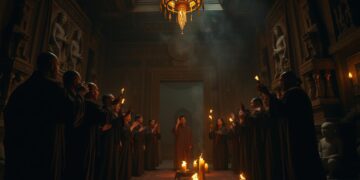
Secret identities have changed history’s biggest moments. In the 18th century, Adam Weishaupt started the Bavarian Illuminati in 1776. He wanted to take down old governments.
Members, between 650 and 2,500, promised to follow an “enlightened elite” vision. They used secret ways to get new members and had a strict hierarchy. This was to spot and fix society’s problems.
When Bavaria banned secret groups in 1785, the Illuminati went underground. Yet, its symbol, the Eye of Providence, is on U.S. money. This shows its lasting impact.
Today, figures like Deep Throat, an FBI agent, changed history. He helped the Watergate investigation from 1972 to 1974. He gave clues to journalists without revealing himself.
His secret helped uncover corruption. This shows how secret identities can lead to truth. Historical spies also used secret codes to stay hidden.
These tales highlight the power’s double edge. Secrets can be a duty or a danger. Today, we debate if secrets help or harm democracy. This debate is as lasting as the Eye itself.
Entertainers Who Went Incognito
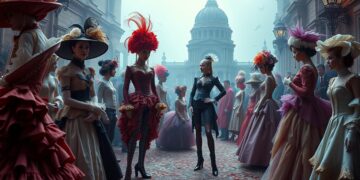
Entertainers use alter egos to keep their privacy while exploring new art forms. Sia wears wigs to hide her face at concerts. Daft Punk’s robot helmets make them incognito entertainers. KISS’s 1970s personas, like The Demon, allowed them to perform without revealing their true selves.

The Blue Man Group’s 70 performers wear blue paint, becoming anonymous performers who disappear after shows. Lady Gaga changed her name from Stefani Germanotta, showing how alter egos shape careers. Even actors like Daniel Radcliffe used aliases to avoid the spotlight, highlighting how celebrities protect their private lives.
Artists like Deadmau5 and Sia use masks and faceless videos to control their image. John Legend and Brie Larson chose simpler names to avoid confusion. Ice Cube uses his real name O’Shea Jackson to trick paparazzi. These strategies help manage fame’s pressures.
By creating a distance between their real and public selves, artists protect their privacy. The Gorillaz’s animated members and Sia’s “voice-only” stage presence show the creative and practical sides of hidden celebrity identities. It’s a timeless balance in showbiz, as vital as ever.
Scientists Who Kept Their Discoveries Anonymous
Many scientists choose to remain unknown. Anonymous scientists like early mathematicians used fake names to avoid trouble. The Piltdown Man hoax is a famous example of this.
Charles Dawson created a fake skull mix of human, orangutan, and chimpanzee bones. This trick fooled scientists for 41 years. Over 250 papers were written about it before it was exposed in 1953.
Women like and published important neutron research under male names. They faced harsh reviews, with one critic calling their work “incomprehensible.”
Despite being rejected by journals like Nature, their work helped lead to later breakthroughs. Today, 70% of groundbreaking ideas are initially dismissed.
Some scientists today choose to stay anonymous to challenge the status quo. They might use pseudonyms to avoid backlash. This balance is tricky: anonymity can protect innovators but also erodes accountability.
Yet, history shows that even flawed discoveries, like Piltdown, push science forward. As Thomas Kuhn said, changing science requires courage and sometimes secrecy.
Historical Figures with Fake Identities
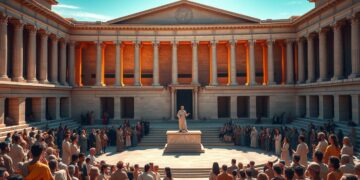
History is full of historical imposters who wore masks of deception. Fake identity figures like the False Dmitrys took on royal roles. Others, like Anna Anderson, claimed to be Grand Duchess Anastasia, captivating the world.
These acts of historical identity deception mixed truth with myth. Historians often argue over what’s real. It’s a fascinating mix of fact and fiction.

Even kings and queens disguised themselves. Peter the Great walked among peasants to learn about his people. During wars, nobles dressed as commoners to avoid death.
Jewish people also changed their names to hide from persecution. These disguised historical people used fake identities to survive. It showed that deception could be a means to power or survival.
Legends like the Man in the Iron Mask and the Comte de Saint-Germain fueled many theories. They were said to have lived forever. World War II spies also used fake names to outsmart their foes.
Anna Anderson is another example. She kept her true identity hidden, leaving her story a mystery. These tales show that every historical identity deception is a human story. Fake identities changed lives and history. The past is full of secrets, waiting to be found.
Everyday People Living Double Lives
“Even the most banal individual has some sort of secret life, often a profoundly rich secret life.”
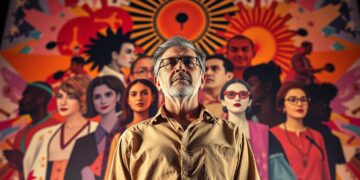
Secret lives aren’t just for spies or stars. Almost 30% of us have hidden lives, hiding passions, jobs, or beliefs. A banker might play music at night. A teacher might help a cause without saying a word.
Living a double life can be stressful. Over 60% feel stressed all the time, and 45% hurt relationships by keeping secrets. But some find freedom in keeping their lives separate, like Nadezhda Durova, who disguised herself as a man for years.
Why do people hide? 50% do it to escape, and 25% for the excitement of hiding. Others hide to survive, like undocumented immigrants or abuse survivors. It shows how society forces us to hide who we really are.
Activists Operating Under Cover
Underground activists have always used secrecy to protect their work. They hide their identities in movements from abolition to environmental campaigns. This secrecy lets them challenge oppressive systems without fear of immediate backlash.

In the 1960s, the FBI’s COINTELPRO targeted civil rights and feminist groups. They used false identities to disrupt these movements. Later, undercover police like Mark Kennedy infiltrated environmental groups, reporting back to authorities.
Kennedy’s eight years undercover in Europe led to 650 arrests in Copenhagen. This shows the dangers faced by those who oppose state power.
“Serious human rights abuses were committed by the undercover unit, including acts amounting to torture or degrading treatment.”
Helen Steel, a UK environmental activist, exposed undercover police tactics. She showed how officers kept relationships with targets for years. The Pitchford Inquiry later confirmed these abuses in UK police tactics, including using dead children’s names as aliases.
Today, digital tools help activists stay anonymous while making an impact. But the risks are high: they face legal trouble, emotional strain, and distrust from society. Their stories highlight how change often starts in secret, where love and betrayal are tools for justice.
The Impact of Technology on Secret Identities
Technology changes how we hide or show ourselves online. Tools like encryption and dark web platforms help keep identities hidden. But, facial recognition and data tracking make it harder to stay hidden.
Now, over 75% of people have online personas that are very different from their real lives. This is what studies have found.
Privacy tools like encrypted messaging and VPNs help protect us. Yet, 65% of people feel lonely even when they’re connected online. A Harvard study shows that AI makes it hard to tell if we’re talking to a human or a machine.
“Digital relationships lack depth,” says Dr. Lena Torres, a tech ethicist. “70% think online connections are shallow compared to real-life ones.”
Employers check 55% of job candidates’ social media. Banks use purchase histories to decide on loans for 45% of applicants. This data-driven world makes us carefully manage our online presence.
By 2025, AI could play a bigger role in our social lives, growing 20% each year. This will change how we see identities.
As privacy tech gets better, so do the challenges. We need to find a balance between staying hidden and being open. With 80% wanting data rights seen as human rights, we need tools that protect us without cutting off real connections.
Cultural Perceptions of Secret Lives
Stories of secret lives in media have been around for a long time. From the Phantom in 1936 to Zorro in 1919, they show how we see hidden identities. Characters like Batman, who leads a double life as Bruce Wayne, spark debates about the rightness of keeping secrets.
Gene Yang’s American Born Chinese (2006) and Boxers & Saints (2013) explore these themes deeply. They show how identity changes can lead to self-discovery. Yang’s work, celebrated by the Library of Congress in 2016, reflects the real-life struggles of immigrants and religious minorities.
Religious texts and polls today reveal mixed views on double lives. The Bible urges us to openly share our faith, yet today’s youth might hide their beliefs to avoid trouble. Characters in Maus (1991) use masks not just to hide, but to survive.
Over a decade of graphic novels, including Yang’s and Will Eisner’s A Contract with God (1978), have tackled these themes. They show that these ideas are timeless in art.
Technology raises more questions about secrecy. Chinese Americans are mostly Protestant, unlike Yang, who chose a different path. His 2014 speech to thousands highlighted the power of art to explore these issues.
From superheroes to real-life situations, the debate goes on. Can a life with secrets be genuine? As media changes, so do our views on living truthfully.