






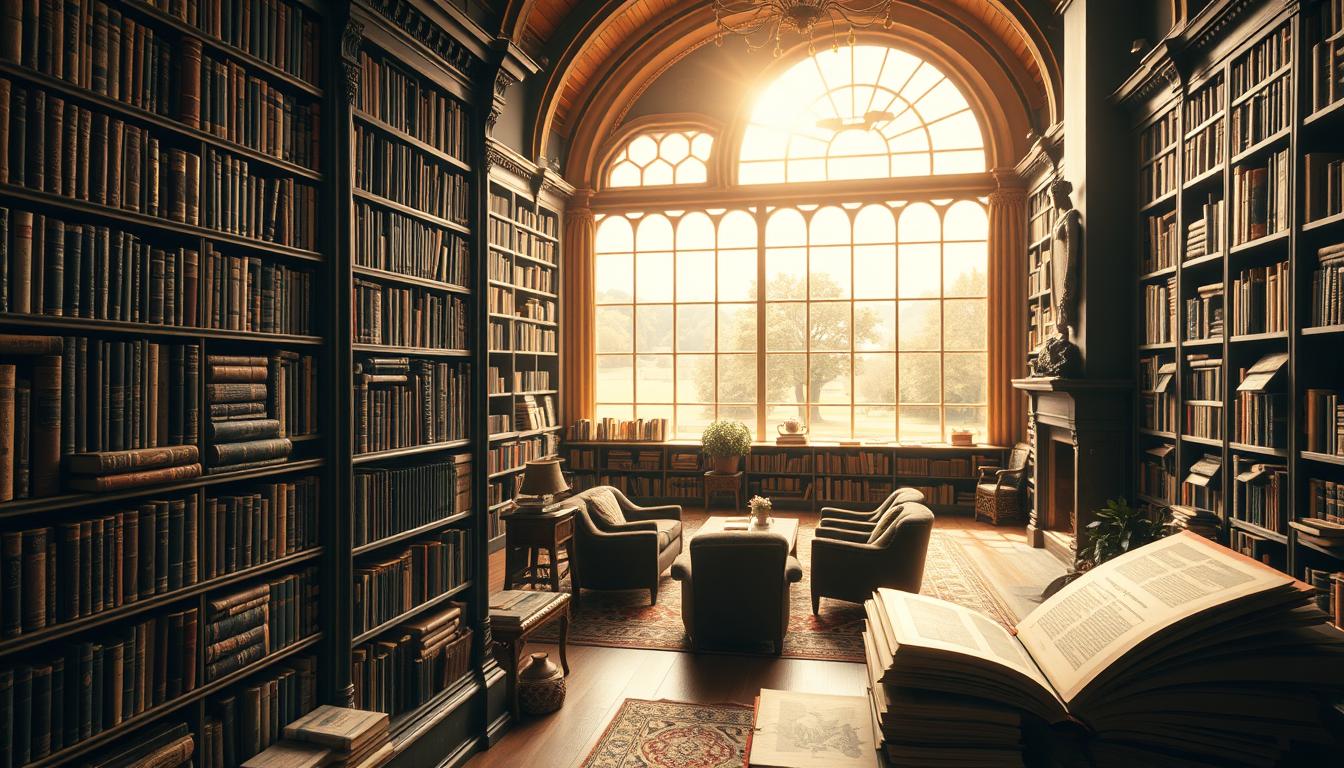
In some families, dropping a book was seen as a big deal. It was not just careless—it was a moment of respect. They believed a book deserved a kiss as an apology if it fell.
This shows how much literature values are woven into our daily lives. Books are seen as symbols of knowledge and respect. They are more than stories; they are windows into the hearts of civilizations.
“Bread and books: food for the body and food for the soul—what could be more worthy of respect?” This saying highlights why books are mirrors of culture. They capture a society’s dreams, fears, and morals.
From ancient myths to modern novels, every era’s stories reveal its deepest values. Through these pages, we see what matters most to people across time and place.
Every book reflects something. Whether it’s a Victorian novel exploring morality or a poem celebrating nature, literature shows us societal beliefs. By studying these mirrors, we learn what societies cherish—and what they struggle to confront.
Understanding Cultural Values in Literature
“But while the novel answers our need for wonderment and understanding, it brings us harsh and unpalatable news as well. It tells us there are no rules. It hands down no commandments. We have to make up our own rules as best we can, make them up as we go along.”
Stories in novels often reflect the cultural values of their time. Victorian-era tales like Dickens’ works exposed class divides. Romanticism celebrated nature over industrialization. These stories show how authors encode their era’s priorities into their work.
George Orwell’s 1984 is a great example. Its dystopian vision critiques authoritarianism, challenging readers to question power structures.
Value systems in books evolve with history. Realism shifted focus from idealism to gritty realities, reflecting 19th-century urbanization. Today, authors like Arundhati Roy highlight post-colonial struggles, blending cultural identity in literature with global themes. Readers connect deeply—85% find novels like The Kite Runner more engaging than textbooks for understanding cultures.
Characters and settings act as mirrors. When authors like Chinua Achebe wrote Things Fall Apart, they preserved Igbo traditions threatened by colonialism. Even fictional worlds, like Shirley Jackson’s “The Lottery,” provoke reflection on societal norms. Readers use these stories to compare their own values, sparking empathy. Over 70% say knowing an author’s background enriches their reading experience.
Literature doesn’t just observe—it debates. From Shakespeare’s moral dilemmas to modern climate fiction, each era’s struggles find voice. By exploring these layers, readers uncover how stories shape—and are shaped by—the cultures that create them.
How Historical Context Shapes Literature
Books from different times often show the struggles and hopes of their era. For example, the Harlem Renaissance in the 1920s saw a rise in African American literature. Authors like Langston Hughes and Zora Neale Hurston fought against racial stereotypes. They used their writing to express pride and challenge societal norms.

War, political changes, and social movements deeply influence stories. George Orwell’s *1984* warned against totalitarianism, a theme seen in today’s dystopias like Margaret Atwood’s *The Handmaid’s Tale*. These works show how literature and history are connected, shaping our views.
Consider Harriet Beecher Stowe’s *Uncle Tom’s Cabin*, which helped the abolitionist cause. Or Upton Sinclair’s *The Jungle*, which led to food safety reforms. These stories show how literature can drive change.
“The challenge of literature is to start from this point, and yet find a way to meet our unchanged spiritual needs.”
Literature also captures subtle changes. Alice Walker’s *The Color Purple* brought out hidden voices, while Philip K. Dick’s *The Man in the High Castle* questioned fate. Each era’s literature, from Renaissance humanism to cyberpunk, reflects its views. By studying these works, we understand how societies change and connect with our own.
The Impact of Geography on Literary Themes
Geography plays a big role in books. Think of the misty moors in Wuthering Heights or the lively streets in *The Great Gatsby*. These settings shape stories and reflect cultural values. Authors often use local landscapes, making them part of the story.
For example, the Mississippi River in Mark Twain’s works is more than a setting. It symbolizes freedom and conflict. The American South’s heat adds tension to *To Kill a Mockingbird*. The Arctic’s vastness mirrors isolation in Jack London’s stories.
These examples show how settings and cultural values are connected. A city like Harlem was key in the Harlem Renaissance. Poets and writers like Langston Hughes used urban landscapes to express racial pride and struggle.
“Being Bookish is part of our identity,” says the movement’s ethos. This shows how regions create unique literary voices. Emily Brontë’s moors are not just locations. They represent wildness and passion, showing that place in literature often reveals deeper truths.
Today, authors like Chimamanda Ngozi Adichie use Nigerian settings in her novels. She blends cultural traditions with global themes. Settings like these are not just backgrounds. They carry heritage and stories.
Gender Roles Portrayed in Literature
A book club now focuses on works by only female authors. This change shows how gender representation in books impacts our culture. For years, female characters in literature were often ignored or stuck in limited roles.
Historical stories portrayed women as either pure, passive, or domestic. Medieval tales showed women as virgins, mothers, witches, or harlots. This reinforced strict gender norms. Even Shakespeare’s Macbeth challenged these norms by showing Lady Macbeth’s ambition.
Victorian-era literature pushed strict ideals, but Charlotte Perkins Gilman’s The Yellow Wallpaper revealed the dangers of silencing women. Later, Toni Morrison’s Beloved brought Black women’s strength to the forefront. Today, studies show children’s books are slowly changing, showing both males and females as heroes.

From Aphra Behn’s bold heroines in the Restoration era to today’s feminist works, literature reflects our changing values. As readers seek more inclusive stories, writers are creating characters that reflect the full range of human experiences. Every book, from Gothic novels to modern bestsellers, offers insights into how we view and redefine our roles.
The Intersection of Race and Literature
For centuries, racial representation in literature was mostly about dominant stories. Books by European and white authors got the most attention. But now, we see more diverse cultural perspectives in books. Writers like Chinua Achebe and Toni Morrison bring new views to old stories.
Movements like Negritude, started by Aimé Césaire and Léopold Sédar Senghor, changed this. They celebrated African culture through art and writing. Today, authors like Nnedi Okorafor and Petina Gappah mix old traditions with new ideas. Their books, like The Book of Memory, show how different cultures can come together.
“Would it help all of us to take the time to get out of our lanes and appreciate the storytelling experiences of others?”
African literature now focuses on cultural identity in 75% of its works. But, minority authors are not yet well-represented in many classrooms. Including authors like Jean Rhys or Salman Rushdie shows progress, but we have a long way to go.
Books tackle big issues like racism and colonialism. By sharing these stories, we celebrate ethnic storytelling traditions. This helps us build a world where understanding and empathy win over division.
Literature as a Mirror of Societal Issues
“If religion is an answer, if political ideology is an answer, then literature is an enquiry; great literature, by asking extraordinary questions, opens new doors in our minds.”

Books have long been tools for change. Works like To Kill a Mockingbird and 1984 show us the dark side of society. They make us think about big problems and how to fix them.
Harper Lee’s To Kill a Mockingbird made us see the truth about racism. The Hate U Give talks about today’s Black Lives Matter movement. Books like The Overstory by Richard Powers warn us about the environment. Even old books, like Dickens’ Oliver Twist, showed us the hard life of the poor and pushed for change.
Literature doesn’t just show us society—it makes us think. Books like James Baldwin’s Go Tell It on the Mountain and Chinua Achebe’s Things Fall Apart show us our own biases. They make us feel and understand, helping us to question and seek justice.
From books like Uncle Tom’s Cabin to today’s hits, literature tackles tough topics. Every page is a chance to see things differently and maybe even do something about it.
The Role of Symbols and Metaphors
From ancient myths to modern novels, literary symbolism connects stories to societal values. Italo Calvino’s Baron in the Trees shows how a character living in trees can symbolize rejecting old ways. This use of metaphors in literature allows authors to critique power, identity, or morality subtly.
Universal symbols like light (knowledge) or rivers (change) are found across cultures. They show common human concerns. Yet, symbols also reflect unique values. For example, “jugaad” in Indian texts celebrates innovation, while “ubuntu” in African stories highlights community.
In The Great Gatsby, the green light symbolizes unattainable dreams. This meaning through literary devices helps readers understand themes like ambition’s cost. Symbols evolve over time, like today’s dystopian novels using digital screens to comment on isolation.
Whether universal or specific to a culture, symbols make abstract ideas concrete. They help readers see what societies value or struggle with. Stories that use symbols can touch readers deeply, even long after they finish reading.
Literary Genres and Their Cultural Reflections
Genres like dystopian fiction or romance are more than just stories. They show us what societies value most. Genre popularity and culture are closely linked. Readers seek out stories that reflect their fears or dreams.
Blood Meridian and Fun Home are great examples. They tackle tough topics like power and identity. This shows how literary genre development often mirrors changes in society.

“Literature is an expression of society,” reflecting both its flaws and aspirations.
Victorian novels, like Dickens’, brought attention to poverty. This matched the era’s cultural genre trends. Today, authors like Chimamanda Ngozi Adichie mix global and local themes. This shows how genre preferences by society change over time.
From Shakespeare to modern graphic memoirs, genres evolve with cultures. Even new trends, like climate fiction, reflect our growing concerns. Stories are not just escapes but also guides to what we value, fear, and hope to change.
The Influence of Technology on Literary Expression
Technology changes how we tell and enjoy stories. Now, authors mix words with pictures, sounds, and interactive elements. Apps like Wattpad let readers join in live, while Kindle Direct Publishing makes publishing easy for all. This means anyone can share stories worldwide, bypassing old rules.
Technology opens new doors in writing. Books like “The Circle” and “Normal People” show the dark side of digital life. Social media inspires short stories, with hashtags and emojis adding to the dialogue. This makes stories feel more real and relatable.
Do I, perhaps, find something sacred after all? Am I prepared to set aside as holy the idea of the absolute freedom of the imagination?
But there are downsides. Some say short formats lose the richness of longer stories. Yet, AI and VR offer new ways to dive into books. Schools teach students to understand digital stories, preparing them for the future.
Technology’s role in literature goes beyond just tools. It’s about changing what stories can be. As we move from paper to screens, the big question is: What remains sacred in our connected world?
Future Trends: Literature and Emerging Cultural Values
Technology is changing how we tell and share stories. The future of literature will mix old traditions with new ideas. Now, we see more diverse voices in books, like stories about the environment and new ways of writing.
These changes show how book culture is evolving. Digital platforms help share stories from different cultures. People around the world want to read about their own experiences.
Herbert Read once said, “Art must reinvent itself to remain relevant.” Today, we see this in new tools like automated systems and virtual realities. Yet, stories about love, conflict, and identity remain important.
Studies suggest that tech like augmented reality could change how we share myths. But, there are worries about privacy and fairness. Indigenous communities use digital tools to save their languages, showing tech’s role in preserving culture.
Tomorrow’s literary priorities will focus on being open and understanding. Authors might mix different styles to show the complexity of today’s world. But, there are challenges like too much information and algorithms favoring popular trends over deep stories.
As technology changes, literature’s ability to question, connect, and inspire will stay strong. The stories we tell next will show our changing values and our ongoing quest to understand humanity.